

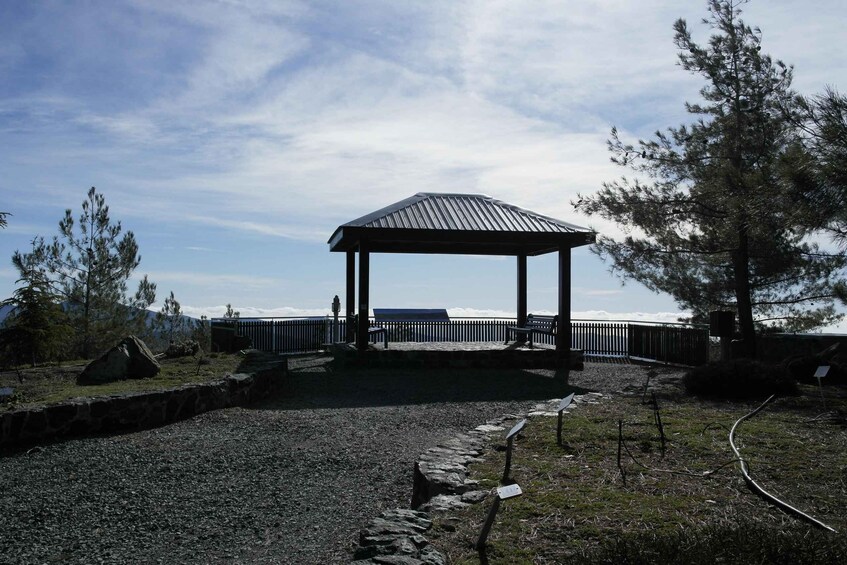
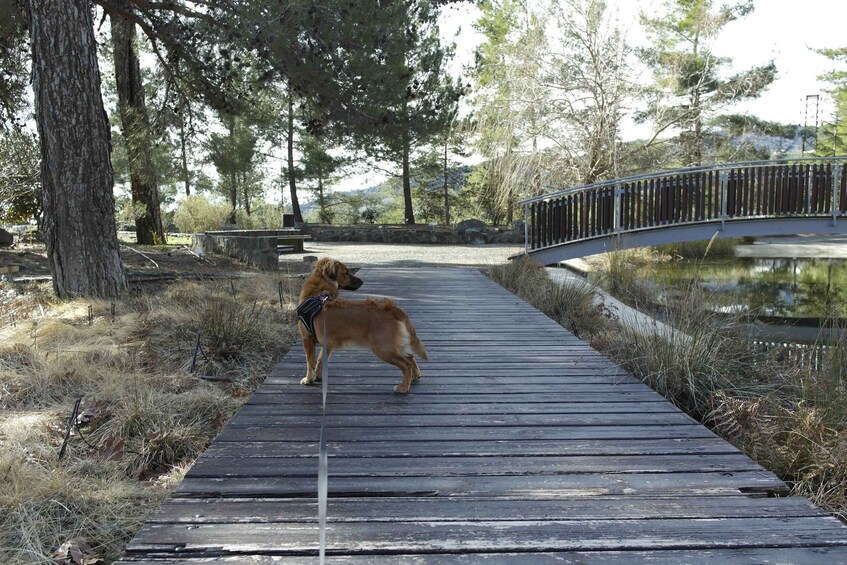
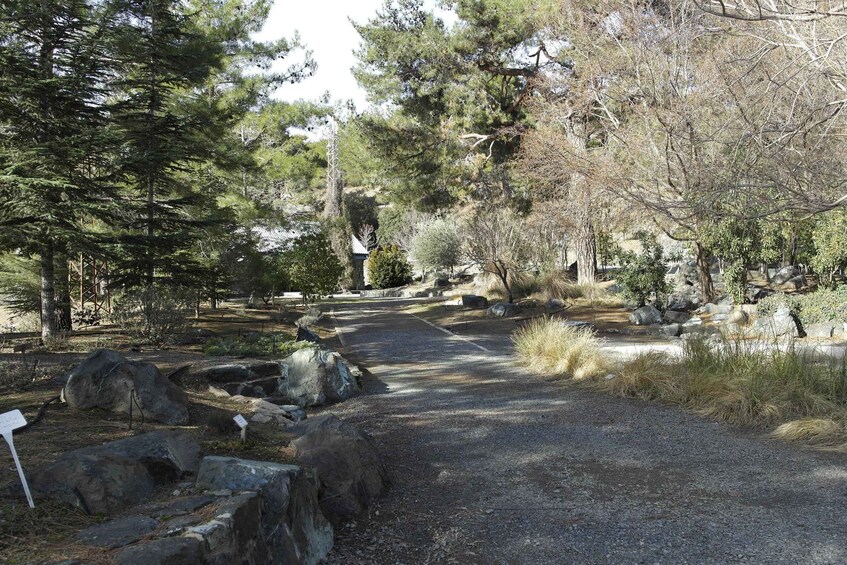
Begin your journey at the Troodos Botanical Garden “A.G. Leventis”, a peaceful and beautifully restored space built on land once directly affected by mining activity. This garden is more than a collection of plants — it is a living symbol of recovery.
As you walk through its paths, learn about the unique flora of the Troodos Mountains and how the mine shaped the surrounding environment during its operational decades. Discover how the landscape looked when the mine was active, how workers lived, and how the extraction of chrysotile asbestos transformed the mountain both physically and socially.
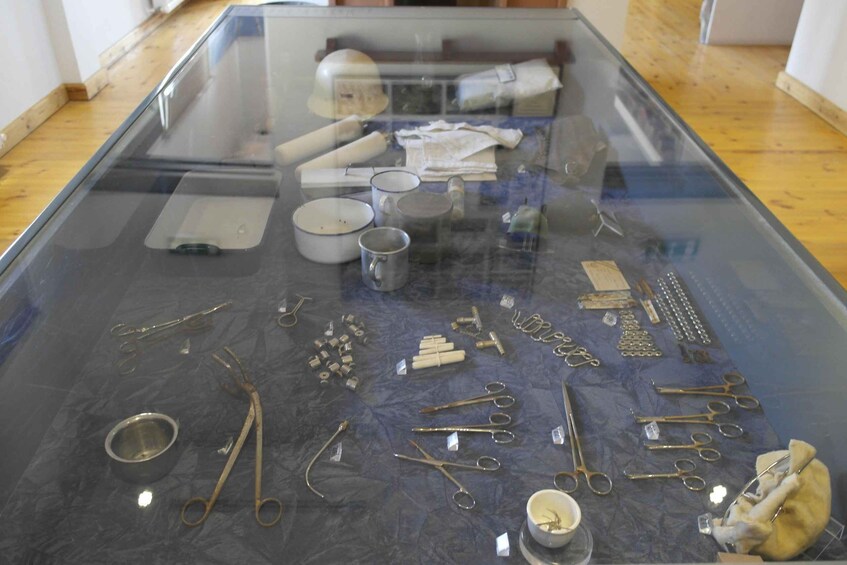
From the garden, we will walk towards the Troodos Geopark Visitor Centre, where the storey deepens. Inside, interactive exhibits and original mining artefacts reveal how the asbestos industry operated, how the mine expanded over the decades, and how it shaped the lives of thousands of workers and their families. See tools, photographs, rock samples, and archival material that bring the mine’s history to life.
The Visitor Centre also helps you understand the environmental consequences of asbestos mining. Discuss how the extraction process affected air quality, and how the mine’s enormous waste heaps altered the landscape. Learn about the science behind asbestos risks, how exposure affected workers, and how the community around the mine experienced both the benefits and the burdens of industrial development.
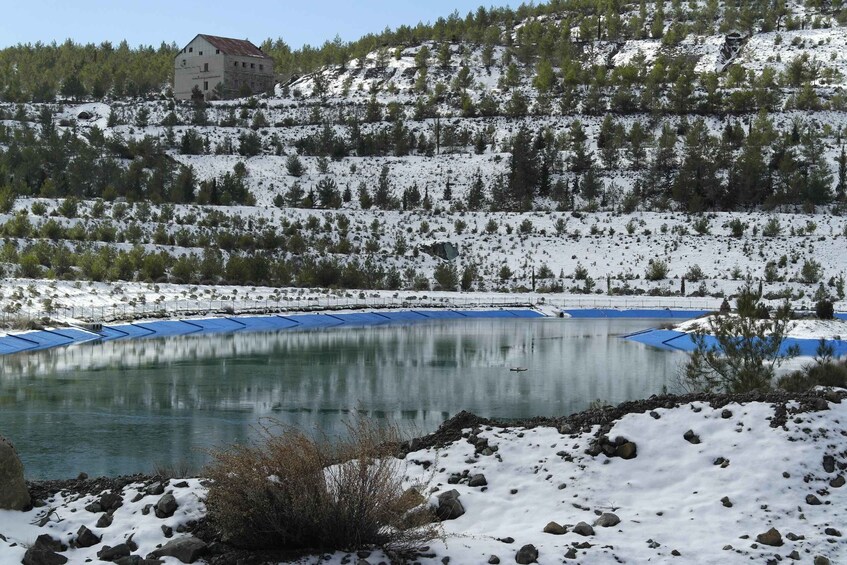
After exploring the Visitor Centre, begin your route towards the massive open‑pit mine, following a path that reveals the scale of human intervention in the mountain. As you approach the pit, the landscape opens into a vast amphitheatre carved by decades of excavation. Standing at a safe viewpoint, see the terraced slopes, the exposed rock layers, and the sheer size of the mine — a powerful reminder of how deeply humans can reshape the Earth.
Hear stories from former workers, insights from environmental research, and reflections on the mine’s legacy. Talk about the economic importance of asbestos during the 20th century, the global demand that fuelled the mine’s expansion, and the eventual decline of the industry as health risks became widely recognised. Gain a deeper understanding of how industrial heritage, environmental science, and community memory intersect in this place.
Learn how the landscape is being restored. The Amiantos Mine is now one of the largest environmental rehabilitation projects in Cyprus. Discover how scientists and foresters stabilise slopes, rebuild soil, reintroduce native plants, and monitor ecological recovery. See areas where reforestation is taking hold, where terraces have been reshaped, and where nature is slowly reclaiming the scars of extraction.