

- List your property
- Support
- Trips
 Members save 10% or more on over 100,000 hotels worldwide when you’re signed in
Atri: Guided City Tour
Features
- Free cancellation available
- 2h
- Mobile voucher
- Instant confirmation
- Multiple languages
Overview
- It combines history, landscape, and traditions in a single authentic experience.
- It offers unique views of the badlands, the natural symbol of Atri.
- the food tasting of local liquorice, a regional speciality.
Activity location
- Atri Cathedral
- Atri, Abruzzo, Italy
Meeting/Redemption Point
- Viale Umberto I, 64032 Atri TE, Italia | Your guide will be holding an Abruzziamo and Tour Atri sign
- Atri, Abruzzo, Italy
Check availability
There aren't enough tickets.
What's included, what's not
- Guided walk
- Admission to the Cathedral of Atri
- Liquorice tasting
What you can expect
Atri is one of the most charming villages in Abruzzo, a place where thousands of years of history, unique landscapes, and traditions that are still alive intertwine harmoniously. An ancient city of pre-Roman origin, Atri preserves a historical and artistic heritage of great value, testifying to its central role over the centuries as the cultural, religious and economic hub of the region.
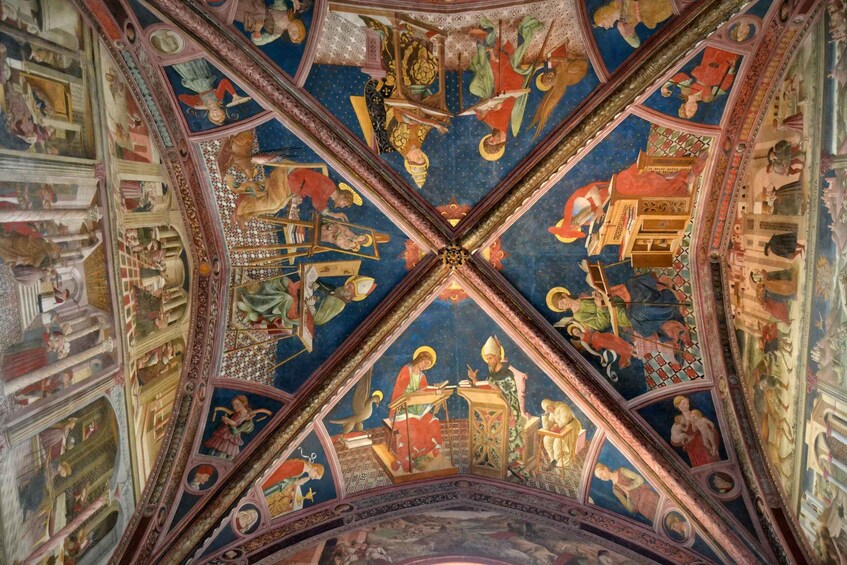
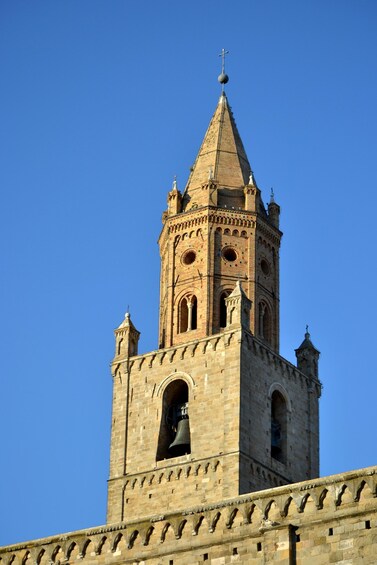
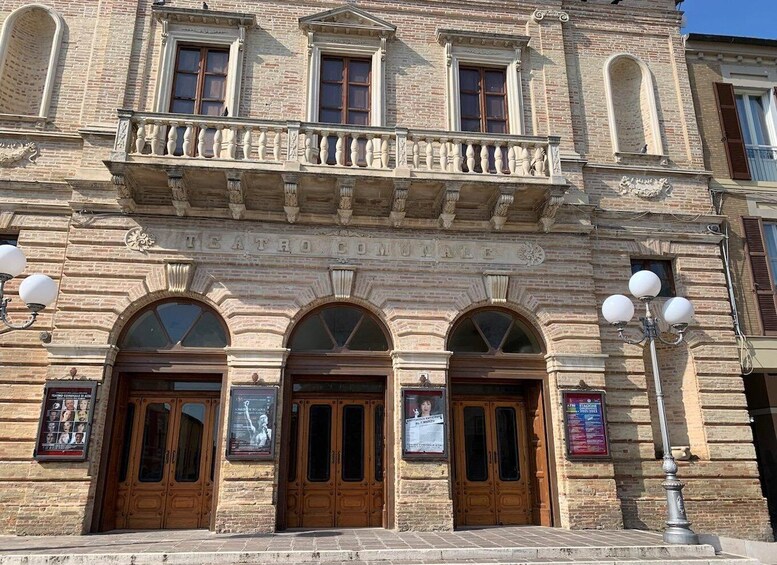
The walk through the historic old town is a true journey through time. The route starts from the magnificent Duomo, the Cathedral of Santa Maria Assunta, a masterpiece of Romanesque-Gothic architecture in Abruzzo, famous for its extraordinary Renaissance frescoes and the imposing façade that overlooks the city. A few steps away is the elegant and bright main square, overlooked by the ancient municipal theatre, a symbol of Atri's vibrant cultural tradition.
Continuing through narrow alleyways and scenic views, you reach the Palazzo Ducale d'Acquaviva, the historical residence of the powerful family that profoundly marked the history of the city. From here, the view opens up to the Belvedere, one of the most evocative spots in the town, from which it is possible to admire the famous calanchi: spectacular clay formations shaped by time, which make the landscape of Atri unique and instantly recognisable.
The itinerary also includes the remains of the ancient Roman theatre, evidence of the city's importance in the imperial era and its historical continuity over the centuries. Atri is a place where every era has left a visible mark, which can be seen in the stones, the architecture, and the urban layout.
The walk concludes with a tasting experience dedicated to one of the territory's excellences: liquorice. Produced in Atri according to an ancient tradition, it is a true local symbol. The food tasting lets you discover intense scents and flavours, linked to an artisanal process that tells the storey of the deep identity of this land.
A complete experience that combines culture, landscape, and taste, ideal for those who want to get to know the most authentic Abruzzo through one of its most representative villages.
Location
Activity location
- Atri Cathedral
- Atri, Abruzzo, Italy
Meeting/Redemption Point
- Viale Umberto I, 64032 Atri TE, Italia | Your guide will be holding an Abruzziamo and Tour Atri sign
- Atri, Abruzzo, Italy