

- List your property
- Support
- Trips
 Members save 10% or more on over 100,000 hotels worldwide when you’re signed in
Barolo Private Tour: Wine Culture and Langhe Views
Features
- Free cancellation available
- 2h
- Mobile voucher
- Instant confirmation
- Multiple languages
Overview
- Explore the charming village of Barolo on a private guided walking tour
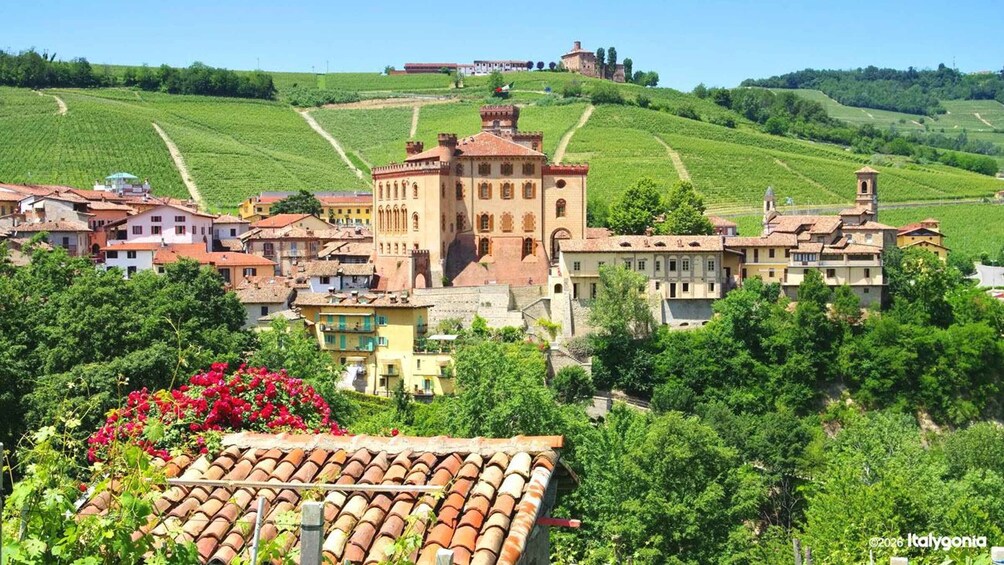
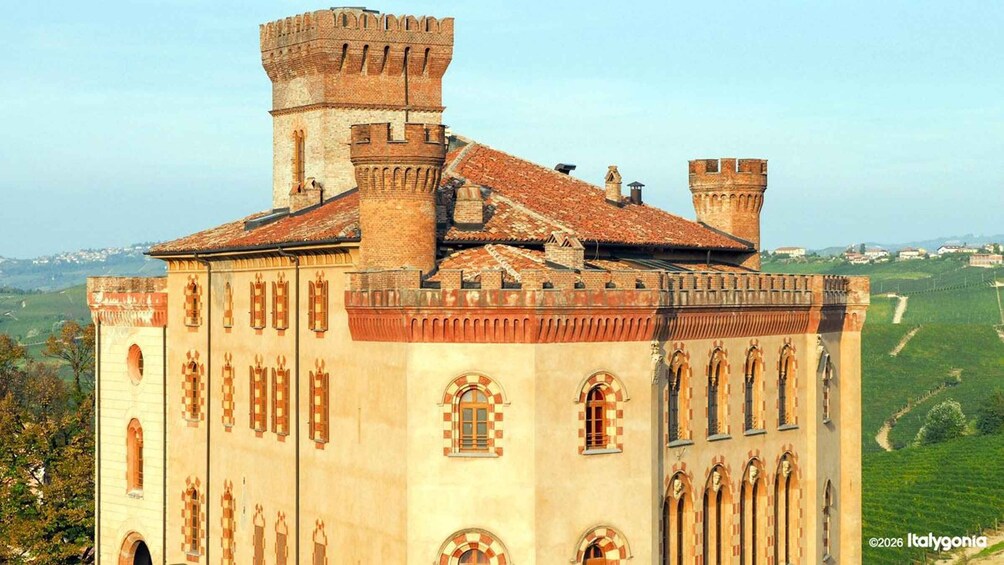
- Admire the majestic Falletti Castle of Barolo and its panoramic views
- Visit the Church of Saint Donato and see the burial site of the Falletti family
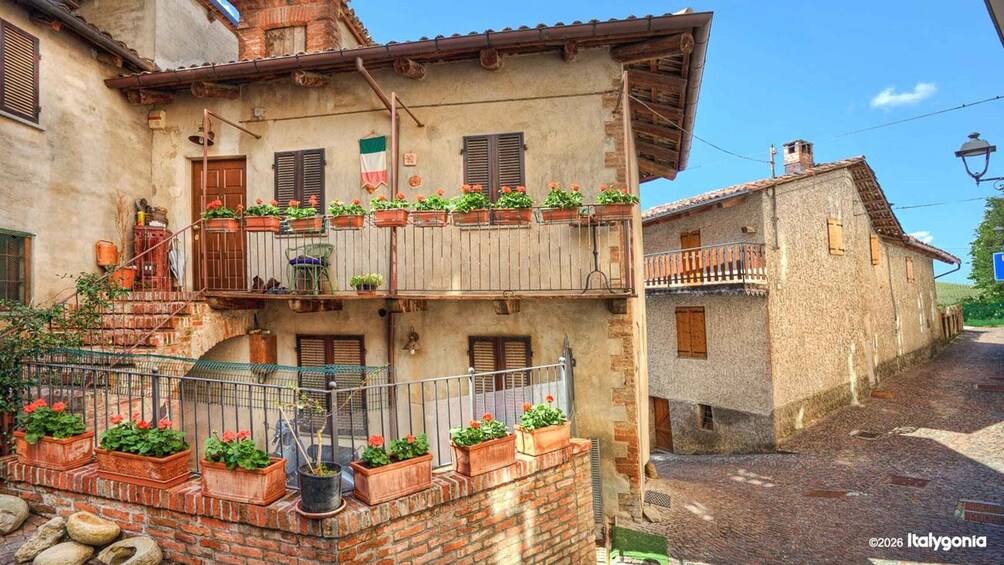
- Stroll through the historic centre and discover the village's hidden gems
- Learn about the history and culture of Barolo and its world-famous wine
Activity location
- Barolo
- Barolo, Piemonte, Italy
Meeting/Redemption Point
- P.za Falletti, 12060 Barolo CN, Italia | Meeting point with the local guide: Piazza Falletti Square ( in front of the entrance of Falletti Castele of Barolo ) The guide will be easily recognizable by the badge they will be wearing
- Barolo, Piemonte, Italy
Check availability
Barolo Private Tour: Wine Culture and Langhe Views
- 2h
- English
What's included, what's not
- Private walking tour of Barolo with licensed tour guide
- Admire the imposing Falletti Castle of Barolo ( external visit )
- Enjoy the splendid view over the hills and the Piedmont Langhe
- Visit to the Church of Saint Donato
- Discover the Town Hall of Barolo ( external visit )
- Walk through the historic centre of Barolo
- Discover the shops and wine bars with fine Barolo wine
What you can expect
Begin your experience in Piazza Falletti, right in front of the majestic Falletti Castle of Barolo, the symbolic landmark of the village. From this iconic square, your guide introduces you to the storey of Barolo and its deep connection with the land, where centuries of winemaking tradition have shaped both the landscape and local identity.
From the castle, admire its ancient origins dating back to the 10th century, when it was first built as a defensive stronghold against invasions. Over time, it transformed into an elegant noble residence of the Falletti family, becoming the cultural heart of the village. Today it houses the Wine Museum of Barolo, a key reference point for understanding the evolution of one of the world’s most prestigious wines. From here, the panoramic views over the Langhe hills offer a breathtaking introduction to the region’s beauty.
Continuing the walk, reach the charming Church of Saint Donato, a small yet remarkable gem with Romanesque origins. Inside, admire its beautifully decorated frescoed ceiling and architectural details that reflect centuries of transformation. The church also preserves the historical burial site of the Falletti family, adding a powerful layer of history and heritage to this sacred place.
The journey then continues into the historic centre of Barolo, where narrow cobblestone streets open onto picturesque views of vineyards and rolling hills. This peaceful walk reveals the authentic rhythm of village life in the Langhe, where every corner reflects the close relationship between people, land, and wine.
Arrive at the Town Hall of Barolo, a distinctive elongated building with elegant arches forming a shaded portico. Its warm colours and traditional architecture reflect the timeless character of the village. Along the way, notice traces of a 15th-century fresco depicting the Madonna with Child, a hidden artistic treasure that connects Barolo to its medieval past.
The tour concludes among the local wine shops and traditional enotecas of the village centre, where Barolo wine takes centre stage ( wine tasting not included ). Here, your guide explains why this wine is known worldwide as the “King of Wines and the Wine of Kings,” highlighting its deep cultural significance and the passion of local producers who continue to shape its legacy.
Location
Activity location
- Barolo
- Barolo, Piemonte, Italy
Meeting/Redemption Point
- P.za Falletti, 12060 Barolo CN, Italia | Meeting point with the local guide: Piazza Falletti Square ( in front of the entrance of Falletti Castele of Barolo ) The guide will be easily recognizable by the badge they will be wearing
- Barolo, Piemonte, Italy