Caerphilly Castle, the largest in Wales and second only to Windsor in the UK, is one of Europe’s greatest medieval fortresses. Built to secure Norman and English control, it was later restored by the Marquesses of Bute and architect William Burges. Unlike their more romantic creations at Cardiff and Castell Coch, Caerphilly retains its original might. Surrounded by a wide lake and famous for its leaning tower—tilting even more than Pisa’s—the castle seems to rise from the water, a powerful reminder of Wales’s turbulent past and the Butes’ passion for preservation.
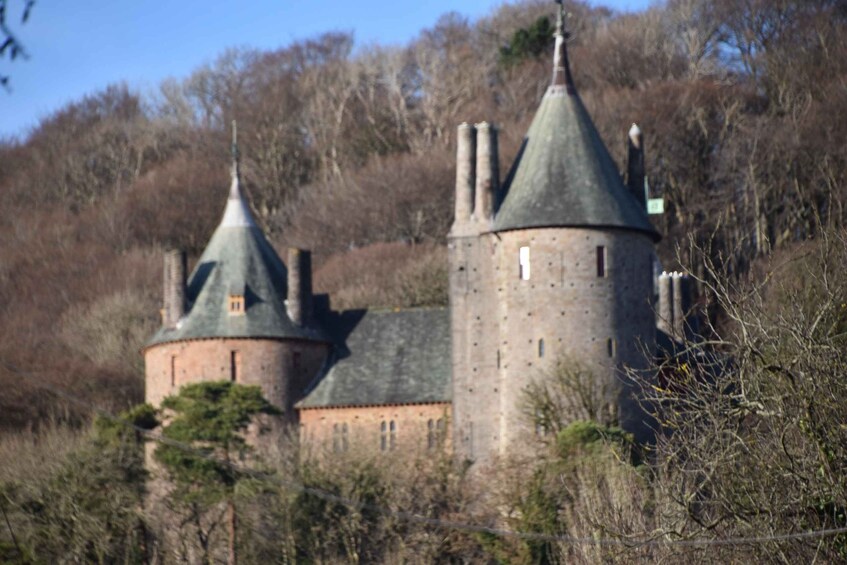
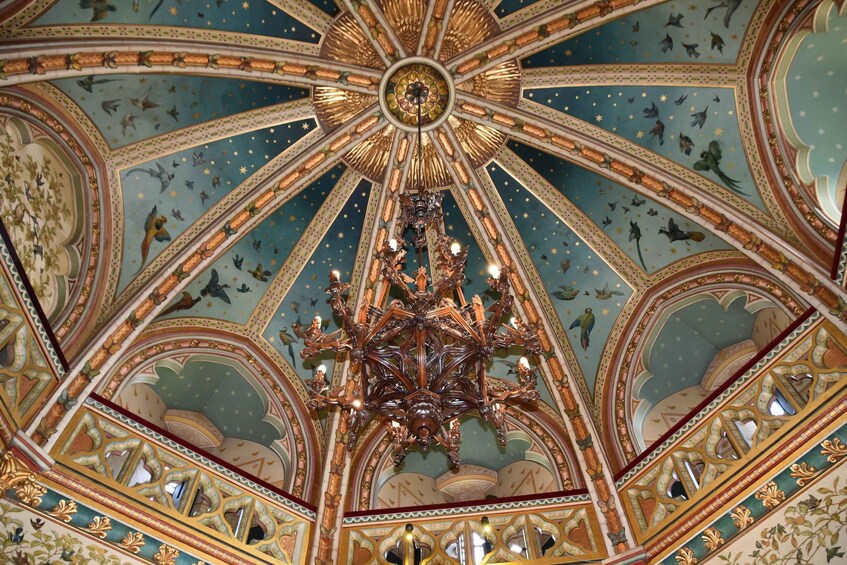
Castell Coch, or the “Red Castle,” is a fairytale fortress overlooking Cardiff. Designed by Burges for the 3rd Marquess of Bute as an ornate summer retreat, it’s a masterpiece of Neo-Gothic architecture, rich with painted ceilings, carvings, and whimsical medieval fantasy. Though never lived in, it remains one of the most enchanting Victorian creations in Britain, offering breathtaking views and cinematic charm.
Lunch is enjoyed at The Welsh House, one of Cardiff’s few restaurants specialising in traditional Welsh cuisine. Hearty dishes such as Lamb Cawl, Welsh Rarebit, and Shepherd’s Pie celebrate the comforting flavours of Wales and its warm hospitality.
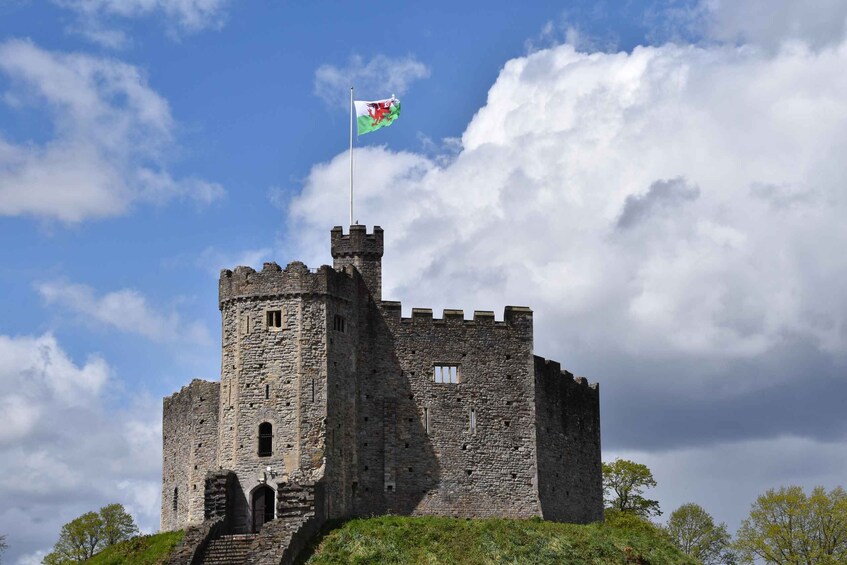
Cardiff Castle began as a Roman fort that gave the city its name—Caer-Dydd, or “Fort on the River Taff.” Rebuilt by the Normans and later transformed by the Butes, it became a Gothic Revival masterpiece filled with medieval-inspired art and symbolism. Visitors explore its lavish rooms, wartime tunnels, and the Firing Line Museum, discovering a thousand years of layered history.
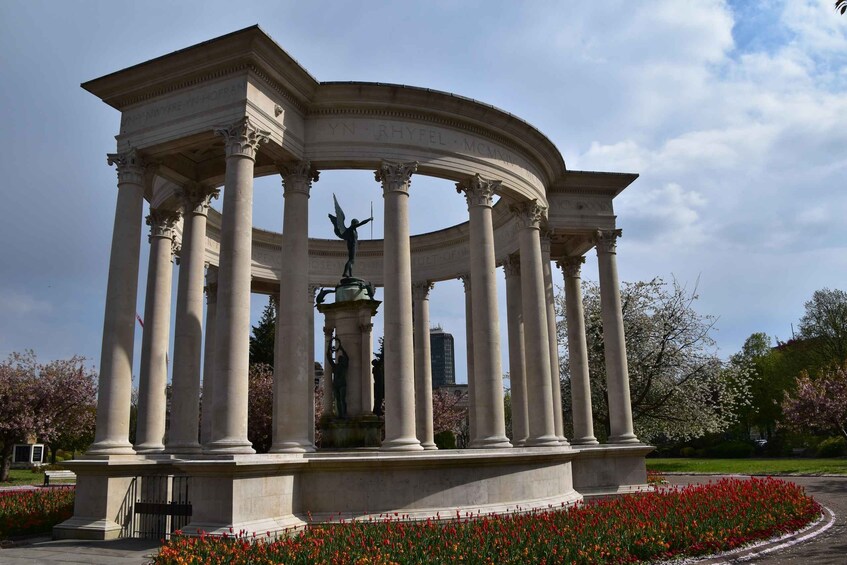
Cathays Park, Cardiff’s civic centre, was built on former Bute family land using Portland stone—the same as St Paul’s Cathedral. It houses Cardiff University, the Crown Court, the National Museum, and the Welsh National War Memorial. The area reflects Cardiff’s shift from coal-driven wealth to a city of culture, education, and creativity.
The National Museum Cardiff features one of Britain’s finest art collections, including works by Monet, Cézanne, Renoir, and Rodin, alongside masterpieces of Welsh art old and new. Visitors learn how this extraordinary collection found its home in the Welsh capital through the vision of generous benefactors.
Cardiff Market, a grand Victorian landmark, remains a bustling centre of local life. Its stalls—selling Welsh cakes, produce, books, and records—have been run by families for generations. Beneath its lively atmosphere lies a darker history: it stands on the site of Cardiff’s old prison, connected to one of Wales’s most infamous miscarriages of justice.
St John The Baptist City Parish Church, built around 1180, is Cardiff’s oldest surviving medieval building. Rebuilt after Owain Glyndŵr’s attack in 1404, it features stunning stained glass by pre-Raphaelite artists including William Morris. Its beauty and atmosphere have made it a favourite filming location, notably in Doctor Who’s “The Runaway Bride.”