



Castel Grande admission ticket
By Fortezza di Bellinzona
Free cancellation available
Features
Overview
- Self-Guided Transfer
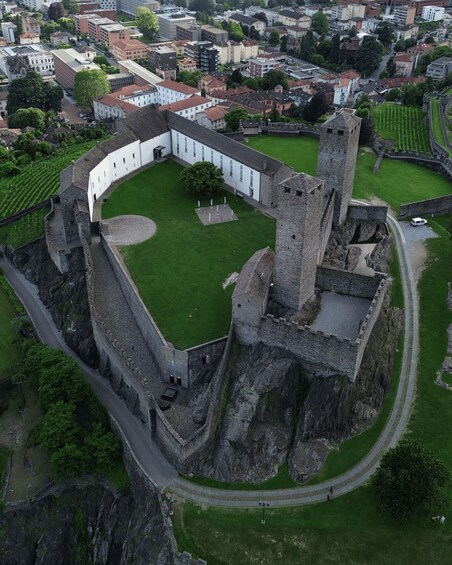
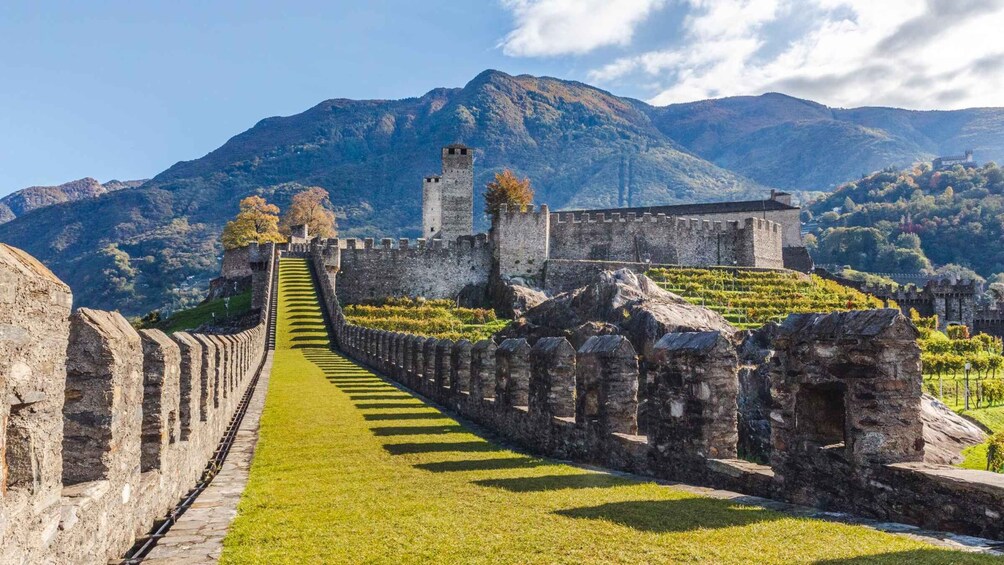
- The largest of Bellinzona's three castles
- Incredible view of Bellinzona's historic centre!
- Enjoy a meal in our restaurant, which combines tradition and innovation
Activity location
Meeting/Redemption Point
Check availability
Castel Grande admission ticket in Multilingual
Price details
€16.22 x 1 Adult€16.22
Total
What's included, what's not
Know before you book
- In accordance with EU regulations about consumer rights, activities services are not subject to the right of withdrawal. Supplier cancellation policy will apply.
- This activity is provided by a professional trader (a party acting within their trade, business or profession).