Step into the streets where Detroit rebuilt itself from ashes, grooved to the sound of jazz, and reinvented itself again and again. This tour uncovers the fascinating stories behind Detroit's one-of-a-kind street system, its jaw-dropping historic architecture, and the era when the city was a jazz incubator and host to jazz icons.
Your journey begins at Campus Martius, Detroit's own “Field of Mars.” After fire levelled the city in 1805, a bold new vision rose from the ashes — a radial street plan inspired by Washington, DC, and Paris. Meet Augustus Woodward, the territorial judge who staked his reputation on making that vision real, and how this plan evolved into what you see today.
From there, step back in time on Griswold Street, “The Wall Street of Detroit,” lined with one of the finest collections of 1910s and '20s skyscrapers anywhere in the country. Just one block away, you'll uncover the remarkable storey of a theatre where jazz history was made.
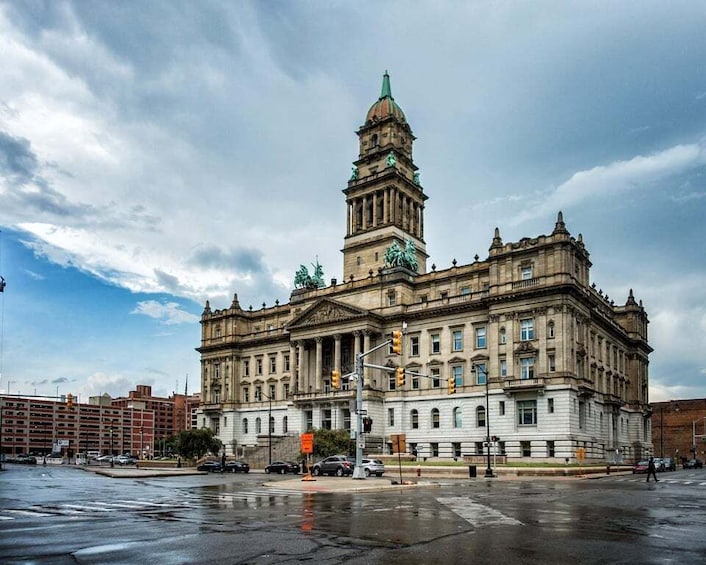
Next, Cadillac Square — a space that's been a grand boulevard, a bustling market, and now a public square, all in one lifetime. It's flanked by some of Detroit's finest architecture, plus a few delightful oddities, including the city's own Flatiron Building, all carrying the layered history of a city that never stops reinventing itself.
Then the tour turns to Black Bottom, a area with a rich and complicated past. Walk its western edge, first settled by German immigrants and later home to newcomers from around the world. By the 1930s and '40s it had grown into a vibrant Black community — before urban renewal and motorway construction tore through what generations had built. Hear the stories of key figures in the Underground Railway, discover the history of Detroit's first Black church, and stroll Monroe Street, now known worldwide as Greektown.
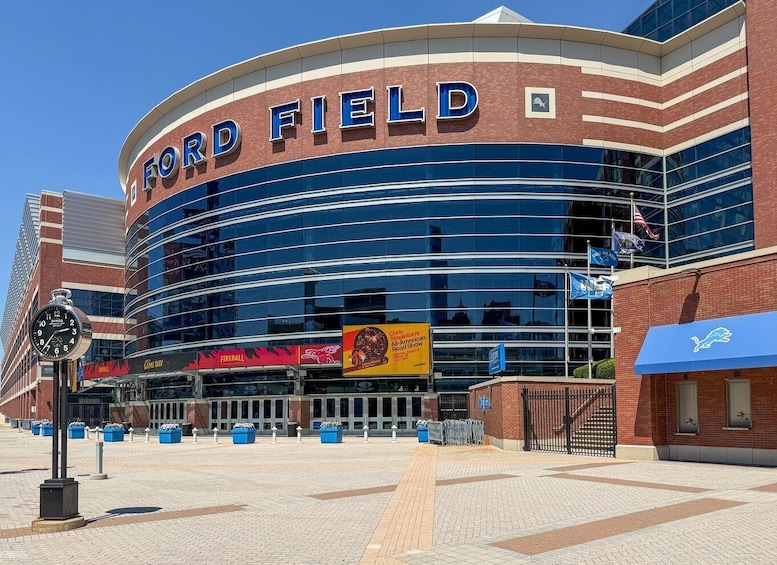
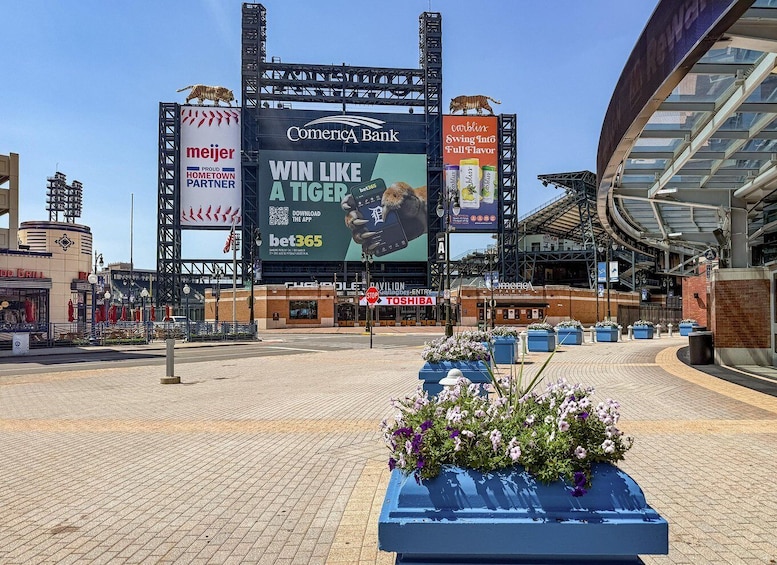
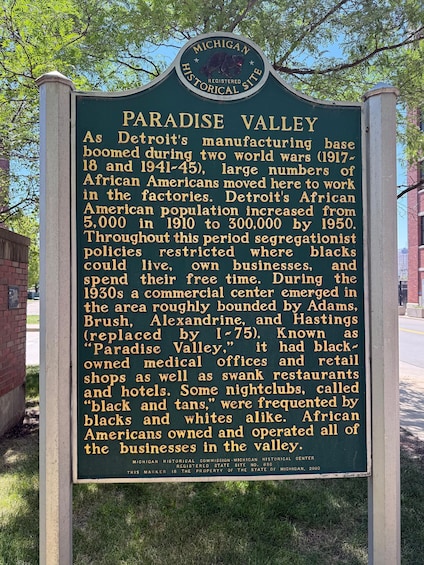
From there, step into Paradise Valley, once a thriving hub of Black-owned business and entertainment. Stand where legendary jazz and blues clubs once stood, hear the stories of the icons who played them, and see images of buildings long gone. Learn how Detroit's own musicians left their mark on the genre, and how thriving Black-owned businesses were upended by urban renewal and motorway construction. Today, the heart of Paradise Valley is home to Comerica Park and Ford Field. We will walk among these giants as we explore the past and present.
The tour closes at Grand Circus Park, meant to be the central hub of Woodward's ambitious radial street plan — though only half of it was ever built. Around it grew one of the country's densest, most architecturally significant theatre districts, flourishing through the 1930s and '40s. See what remains of that grandeur, and what still endures today.