8:00 | Lawson Fukuoka Oriental Hotel (in front of Hakata Station Chikushi Exit).,
8:10 | Departure.
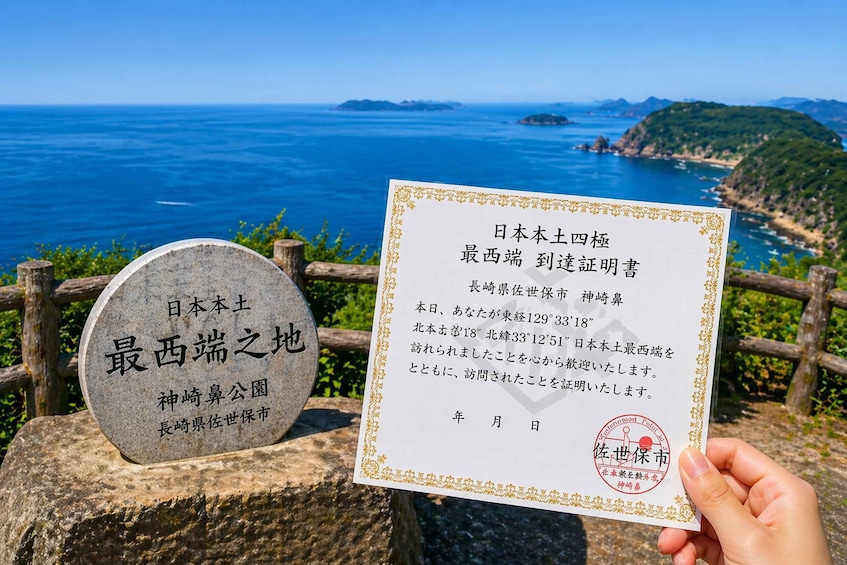
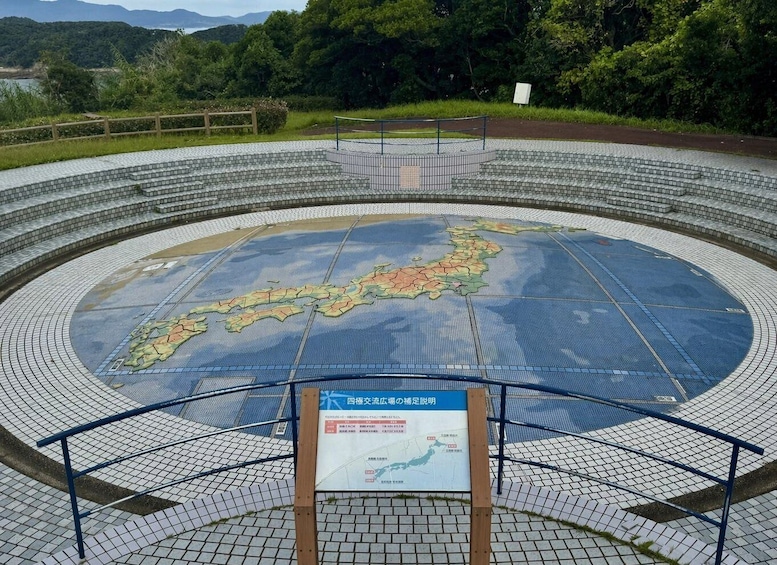
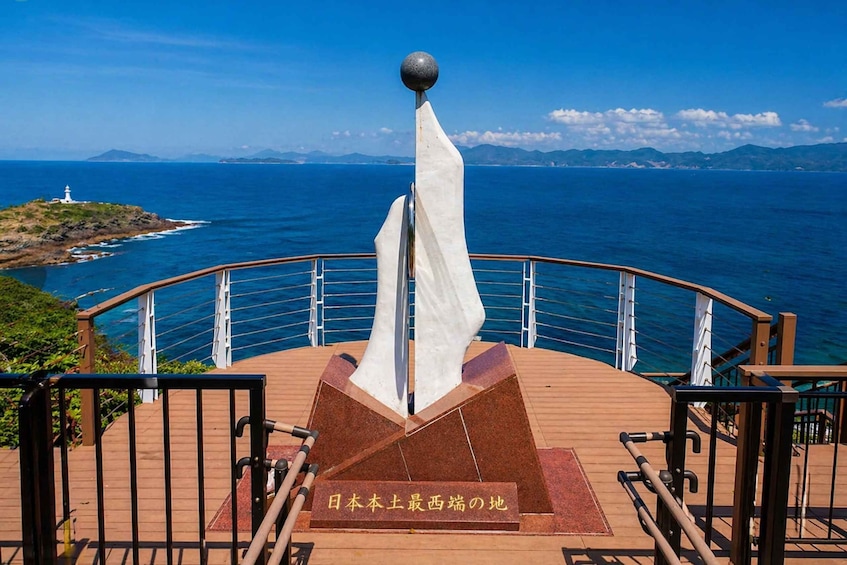
⭐Japan’s Westernmost Point (Mainland) | Kozaki-Bana Park (approx. 30 min)
Kozaki-Bana Park is the westernmost point of mainland Japan and one of the Four Extreme Points of Mainland Japan. Located in Sasebo City, Saga Prefecture, it offers stunning ocean views and beautiful sunsets. On clear days, visitors can even see the Goto Islands in the distance. A monument marking the westernmost point makes it a popular photo spot, while the peaceful coastal scenery and refreshing sea breeze provide a perfect place to relax and enjoy the unique atmosphere of western Kyushu.
⭐Westernmost Point Certificate Issuance Office (approx. 10 min)
⭐Ouo Shrine | Floating Torii Gates (approx. 80 min)
Ouo Shrine, located in Tara Town, Saga Prefecture, is renowned for its iconic Floating Torii Gates standing in the Ariake Sea. One of Kyushu’s most scenic landmarks, the three red torii gates offer different views with the changing tides—visitors can walk up to them at low tide, while at high tide they appear to float on the water. Sunset is particularly beautiful, with the golden sky reflecting on the sea and the torii gates, creating a truly picturesque Japanese landscape.
⭐Yutoku Inari Shrine (approx. 30 min)
Yutoku Inari Shrine, located in Kashima City, Saga Prefecture, is one of Japan’s Three Great Inari Shrines and one of Kyushu’s most iconic spiritual landmarks.
Built on a hillside, the shrine is renowned for its striking vermilion buildings and magnificent architecture. Visitors can stroll along the approach and stone steps, enjoy the peaceful atmosphere, and take in beautiful views of the surrounding landscape from the observation area. Throughout the year, the shrine is surrounded by seasonal scenery, including cherry blossoms in spring and colourful foliage in autumn.
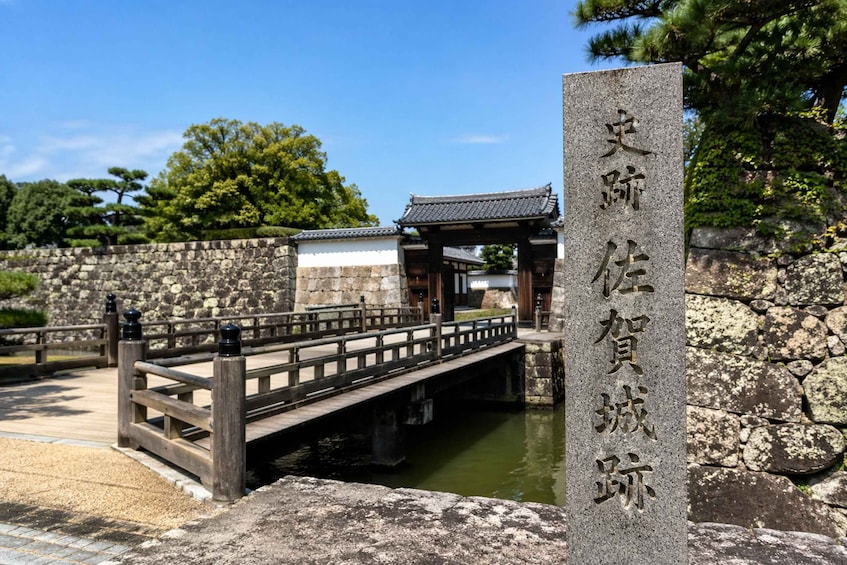
⭐Saga Castle | Japan’s Top 100 Castles (approx. 30 min)
Saga Castle, located in Saga City, is listed as one of Japan’s Top 100 Castles and was once an important stronghold of the Saga Domain, with deep historical ties to samurai culture.
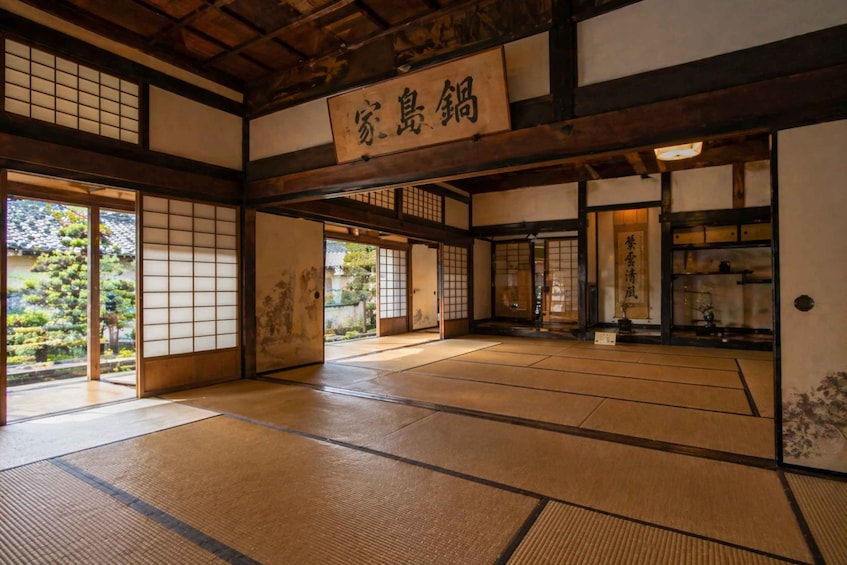
One of its most distinctive features is its wide moat, earning it the nickname “the castle in the water,” which sets it apart from many other Japanese castles. The reconstructed Honmaru History Museum showcases Edo-period domain administration and samurai life, offering visitors an immersive historical experience.
Built largely using traditional wooden architecture techniques, the museum is one of the largest of its kind in Japan and is free to enter. In spring, the castle grounds become a popular cherry blossom viewing spot.
Approx. 1-hour lunch break near Ouo Shrine or Yutoku Inari Shrine, depending on weather conditions.