

- List your property
- Support
- Trips
 Members save 10% or more on over 100,000 hotels worldwide when you’re signed in
Janakpur Guided Tour With Temple Visit
Features
- Free cancellation available
- 8h
- Mobile voucher
- Instant confirmation
- Selective hotel pickup
Overview
- Immerse yourself in the spiritual ambiance of Janakpur on a guided tour
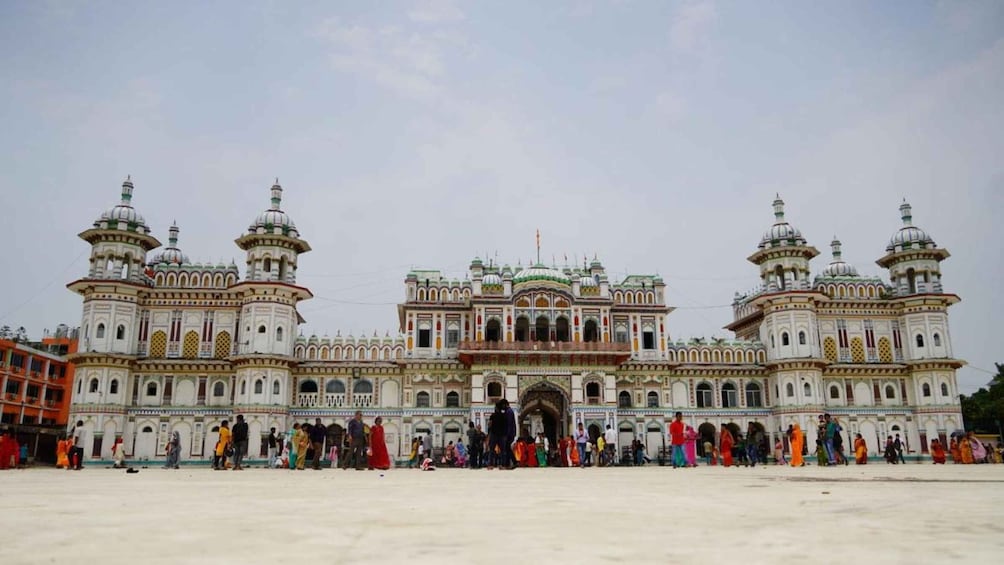
- Visit the Janaki Mandir, a grand temple dedicated to Goddess Sita
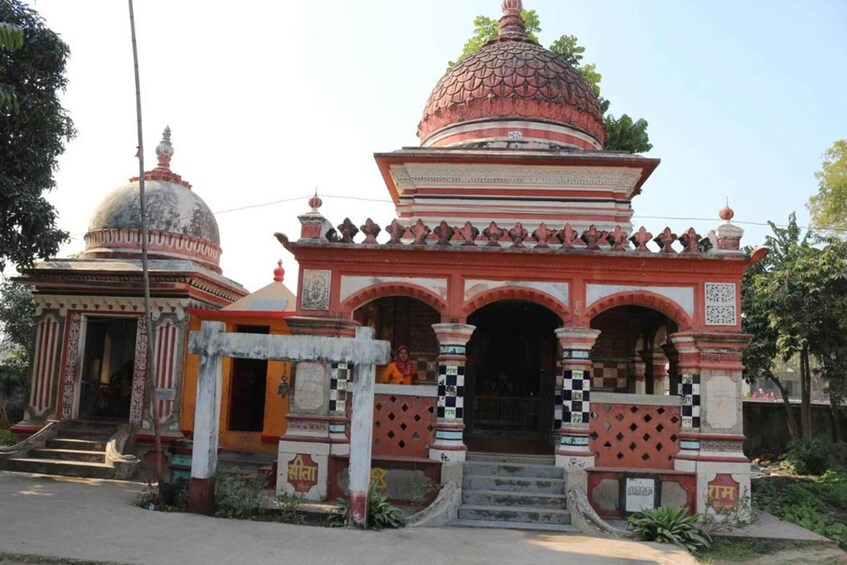
- Explore the Ram Mandir, a serene temple dedicated to Lord Rama
- Discover the sacred ponds of Ganga Sagar and Dhanush Sagar
- Enjoy local Maithili cuisine, including traditional dishes and sweets
Activity location
- Janakpur
- Janakpur, Madhesh Province, Nepal
Meeting/Redemption Point
- Janakpur
- Janakpur, Madhesh Province, Nepal
Check availability
Janakpur Guided Tour With Temple Visit
- 8h
- English
What's included, what's not
- Visit to Janaki Mandir
- Visit to Ram Mandir
- Visit to sacred ponds (Ganga Sagar and Dhanush Sagar)
- Exploration of local markets
- Visit to Dhanushadham
- Transport to Janakpur
- Accommodation
- Meals
What you can expect
Begin your tour of Janakpur, a city revered as the birthplace of Goddess Sita and the setting of her marriage to Lord Rama. This strong connection to the epic Ramayana makes the city a major pilgrimage destination for Hindus from across the world.
The centrepiece of Janakpur is the magnificent Janaki Mandir, a grand temple dedicated to Goddess Sita. Built in a striking blend of Mughal and Rajput architectural styles, the temple is adorned with domes, arches, and vibrant colours that make it stand out as one of the most beautiful religious sites in Nepal.
Explore its spacious courtyard, intricate carvings, and sacred sanctum, where devotees gather to offer prayers and seek blessings. The temple comes alive during festivals like Vivah Panchami and Ram Navami, when thousands of pilgrims participate in elaborate celebrations and processions.
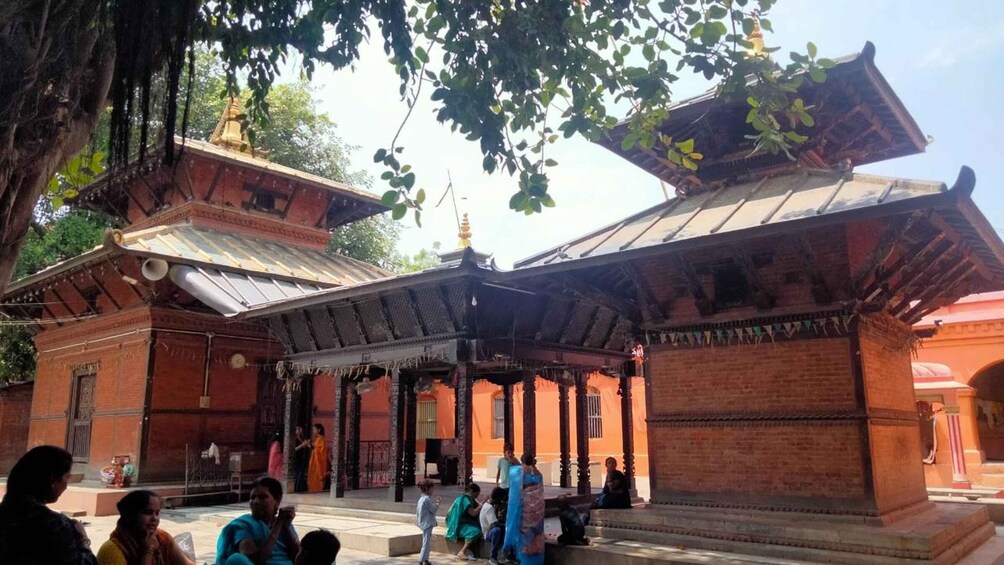
Another important site is Ram Mandir, a serene temple dedicated to Lord Rama. It offers a quieter atmosphere compared to Janaki Mandir, making it ideal for peaceful reflection. Nearby, the sacred ponds known as “kunds” add to the spiritual ambiance. Among them, Ganga Sagar and Dhanush Sagar are particularly significant, believed to hold mythological importance and used by pilgrims for ritual swimming.
Janakpur is also a centre of Maithili culture, which is evident in its art, language, and traditions. Explore local markets filled with vibrant handicrafts, especially Mithila paintings—an ancient art form characterised by intricate patterns and natural colours. Engaging with local artisans provides insight into the region’s cultural identity and offers a chance to take home unique souvenirs.
A visit to Dhanushadham, located about 18 kilometres from the city, adds another layer to the tour. According to legend, this is where a piece of Lord Shiva’s bow broke during Sita’s swayamvar (marriage ceremony). The site holds religious significance and is surrounded by peaceful natural scenery.
Food lovers will also enjoy the local Maithili cuisine, which includes traditional dishes like dal, bhat, tarua (fried vegetables), and sweets such as peda. The flavours are simple yet authentic, reflecting the agricultural lifestyle of the region.
Location
Activity location
- Janakpur
- Janakpur, Madhesh Province, Nepal
Meeting/Redemption Point
- Janakpur
- Janakpur, Madhesh Province, Nepal