

- List your property
- Support
- Trips
 Members save 10% or more on over 100,000 hotels worldwide when you’re signed in
London: WWI Tour: Battle of the Somme and Ypres 3 day Tour
Features
- Free cancellation available
- 3d
- Mobile voucher
- Instant confirmation
Overview
- Immerse yourself in the history of the Battle of the Somme
- Learn about the debut of the tank on the battlefield
- Discover the reasons behind the Somme battle and its impact
- Hear about the immense suffering and loss during the battle
- Explore the history of the Battle of Ypres in Belgium
Activity location
- London
- London, England, United Kingdom
Meeting/Redemption Point
- St Pancras International, London, UK | You catch the train from here, to Ashford International Station in Kent England, 40 minite train journey where your driver guide will meet you at the station with a name board
- West Flanders, Belgium
Check availability
London: WWI Tour: Battle of the Somme and Ypres 3 day Tour
- 3d
- English
What's included, what's not
- Immersive experience of the Battle of the Somme
- Historical insights into World War I
- Information about the debut of the tank in battle
- Details on the tactical goals and outcomes of the Somme offensive
- Statistics on casualties and impact
- Visit the Ypres Salient battlefields in Belgium
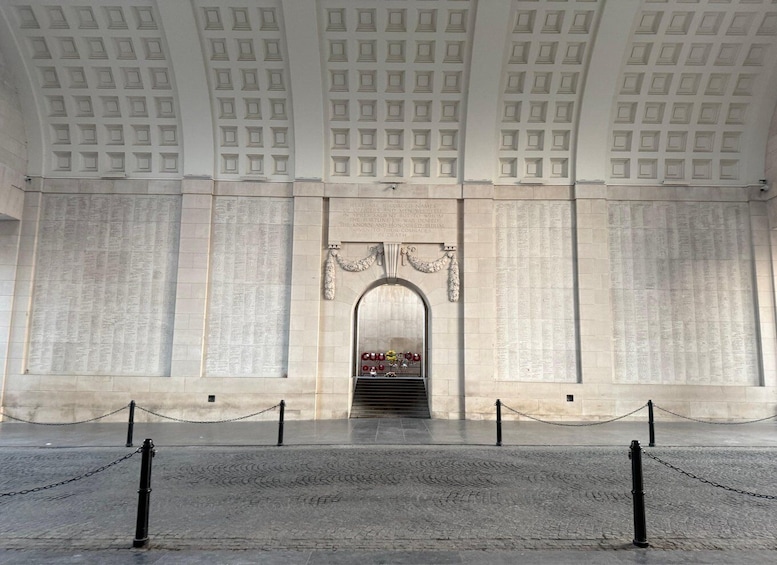
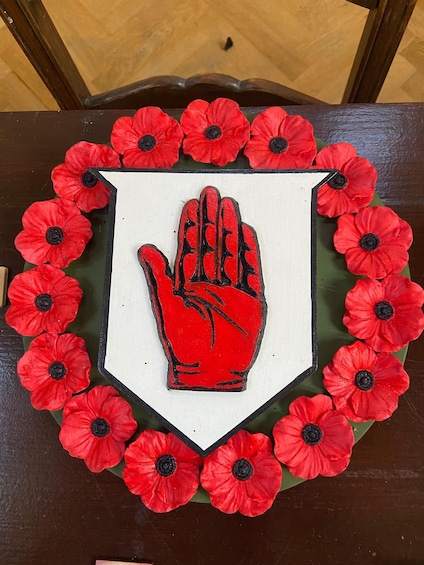
- Lay a wreath at the Menin Gate at the Last Post ceremony
- Hotels for two nights in France and Belgium
- The shuttle train to France from Folkestone, England
- Lunch and Dinner
What you can expect
Travel England Tours Ltd is a multi-award-winning tour experience company.
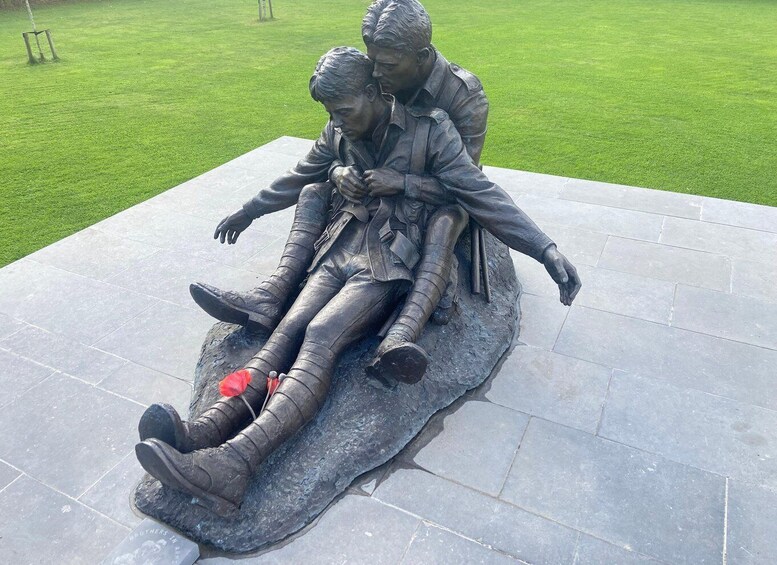
Step back in time to the nearly five-month Battle of the Somme, which transpired from July 1 to November 18, 1916. Learn about the reasons behind the battle and its impact on history.
Discover how the battle marked a significant milestone in military history as it saw the debut of the tank on the battlefield. However, these early tanks were unreliable, with many breaking down before reaching the front lines, and their limited numbers failed to make a decisive impact on the fighting.
Learn about the main goal of the Somme offensive, which was to relieve pressure on the French forces at Verdun and to divert German resources. While the offensive was successful in this tactical goal, it ultimately yielded minimal territorial gains for the Allies, who advanced only a few miles into German territory by the battle's end.
Hear about the immense suffering and loss caused by the prolonged nature of the battle, which lasted for five months. Over three million soldiers from the British, French, and German armies fought in the conflict, with more than one million men killed or wounded in total, solidifying the Somme's legacy as one of World War I's most catastrophic confrontations.
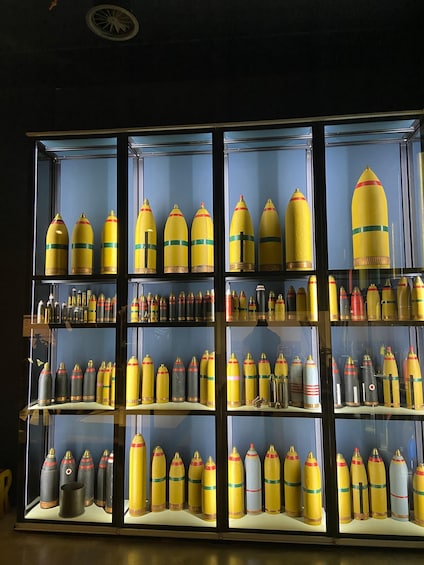
Between 1914 and 1918, Ypres lay within the “Ypres Salient,” a bulge in the Allied lines. It witnessed the First, Second, and Third Battles of Ypres, including the Battle of Passchendaele, where poison gas was first used, and nearly 850,000 casualties occurred. The city was reduced to rubble but painstakingly rebuilt in its original Gothic style, rejecting post-war proposals to leave it in ruins.
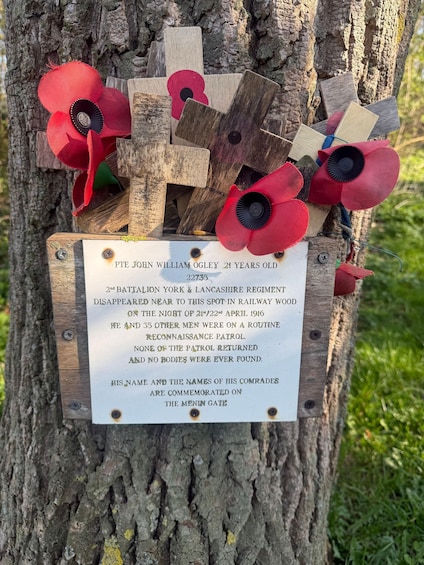
Ypres anchors the remembrance landscape of Flanders Fields. The Menin Gate Memorial lists 54,000 missing soldiers and hosts the nightly Last Post ceremony. The In Flanders Fields Museum in the Cloth Hall interprets the war’s impact, while cemeteries such as Tyne Cot Cemetery and Langemark German War Cemetery lie nearby.
Location
Activity location
- London
- London, England, United Kingdom
Meeting/Redemption Point
- St Pancras International, London, UK | You catch the train from here, to Ashford International Station in Kent England, 40 minite train journey where your driver guide will meet you at the station with a name board
- West Flanders, Belgium