The tour starts at the Alhóndiga de Granaditas, a symbol of Guanajuato's mining, social, and economic origins. From here, visitors are introduced to the close relationship between mining and the rise of the city, learning how the wealth of the subsoil spurred the construction of roads, mining routes, and settlements in the Sierra de Guanajuato. From here, the group travels by vehicle to Mineral de la Luz, following ancient routes used since colonial times for the transport of ore, supplies, and tools. During the transfer, the guide explains the geological processes associated with the Veta Madre, the importance of silver and mercury, and the strategic role that Guanajuato played in New Spain's mining industry and later in independent Mexico.
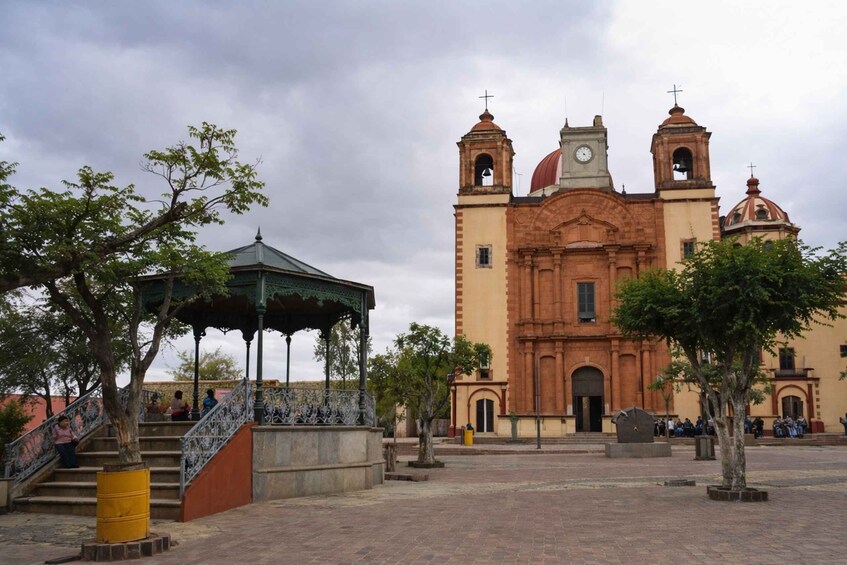
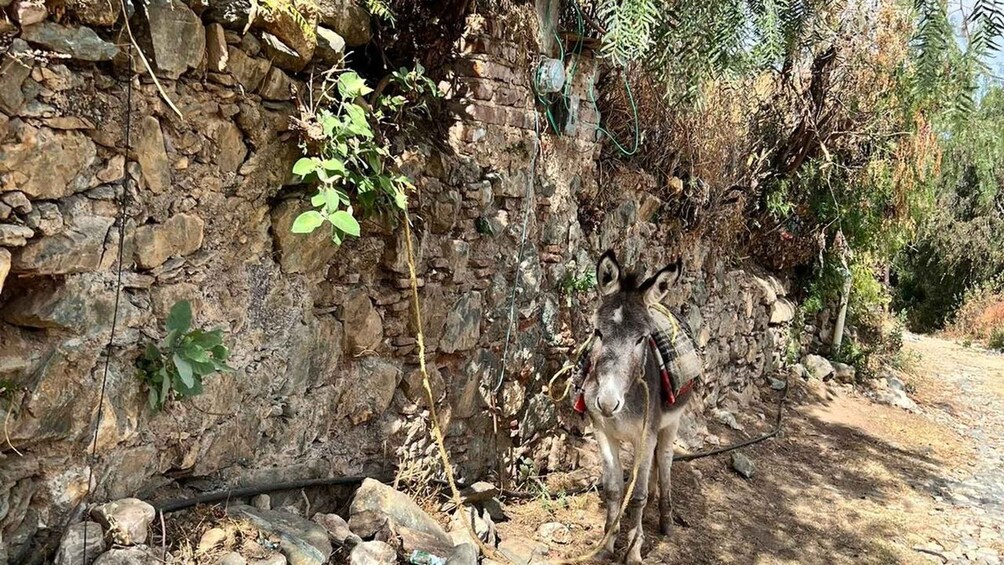
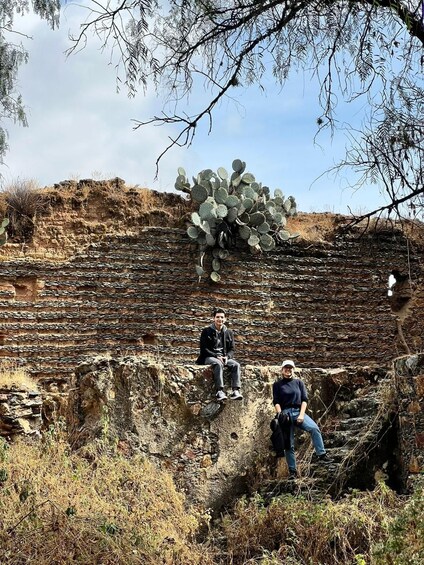
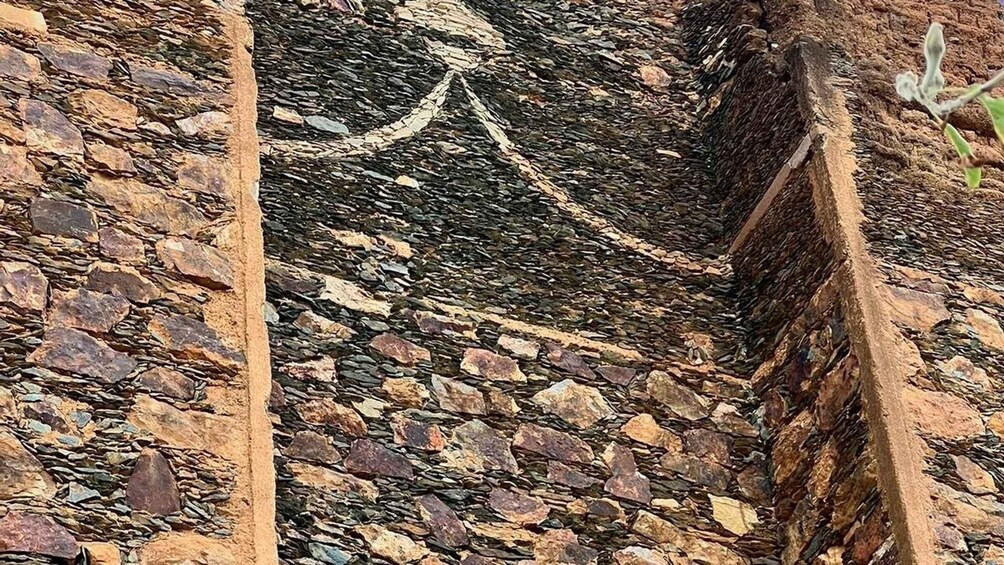
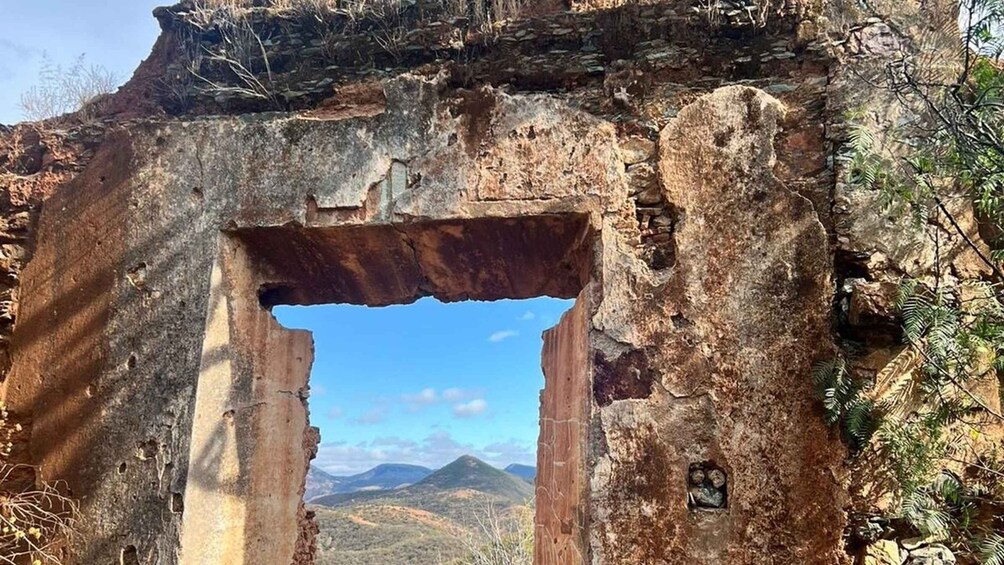
Upon arrival at Mineral de la Luz, one of the oldest mining towns in the region, the interpretive hike begins along the settlement's historic trails and paths. Throughout the tour, the harsh living conditions of the miners, the social organisation of the mining town, and the traditional extraction techniques used during the 18th and 19th centuries are explained. The tour includes visits to the remains of historic mines such as the Mina de la Asunción, where its importance in the early stages of mining and the risks of underground work, from cave-ins to mercury exposure, are explained. In the heart of the old town stands the Parish Church of Our Lady of Light, a key place for the spiritual and community life of the workers, where stories are told about religious festivals, popular beliefs, and the importance of faith in an environment marked by constant danger.
One of the most striking points of the tour is the Tiro de San José, an imposing vertical structure used for the extraction, ventilation, and transport of ore. Here, we'll learn about how it worked, colonial mining engineering, and the depth to which the drillers descended, highlighting the enormous human effort that sustained Guanajuato's mining wealth. During the tour, the El Realejo Dam is also mentioned as a fundamental part of the water system that supplied the mining towns, explaining its historical role in providing water for domestic and mining use, without walking to it.
The experience combines scenic transport, accessible trekking, mining history, landscape interpretation, and direct contact with heritage sites, allowing visitors to understand Mineral de la Luz as a living testament to Guanajuato's mining history, where nature, memory, and adventure intertwine at every stage of the tour.