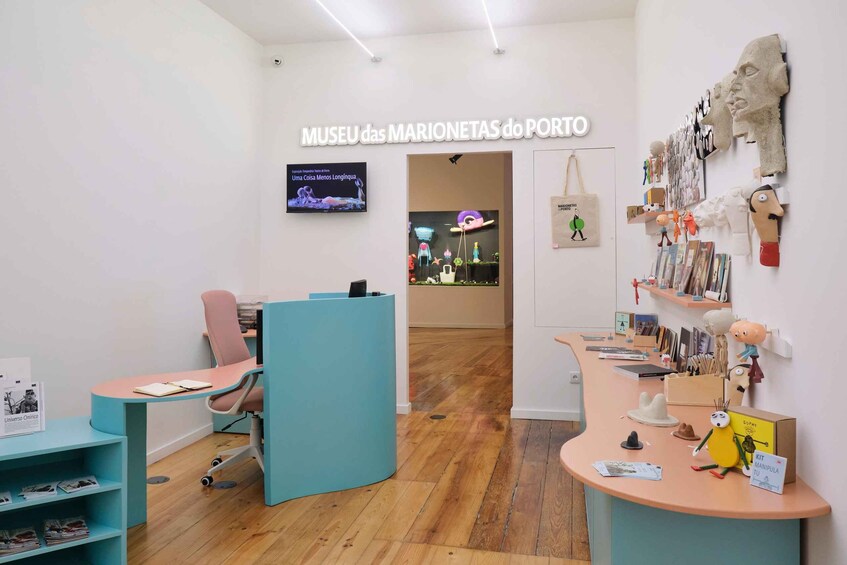
Museu das Marionetas do Porto is an author museum, centred on the work of João Paulo Seara Cardoso (1956-2010), director and artistic director of Teatro de Marionetas do Porto. It’s a place of memory and future, in a permanent update. Its architecture project has the signature of architect José Gigante. The official opening of the Museum (in 2013) celebrated the company’s 25th anniversary. Installed during the first three years in Rua das Flores no. 22, it moved on September 29, 2016, to the building next to the company’s headquarters, in Rua de Belomonte.
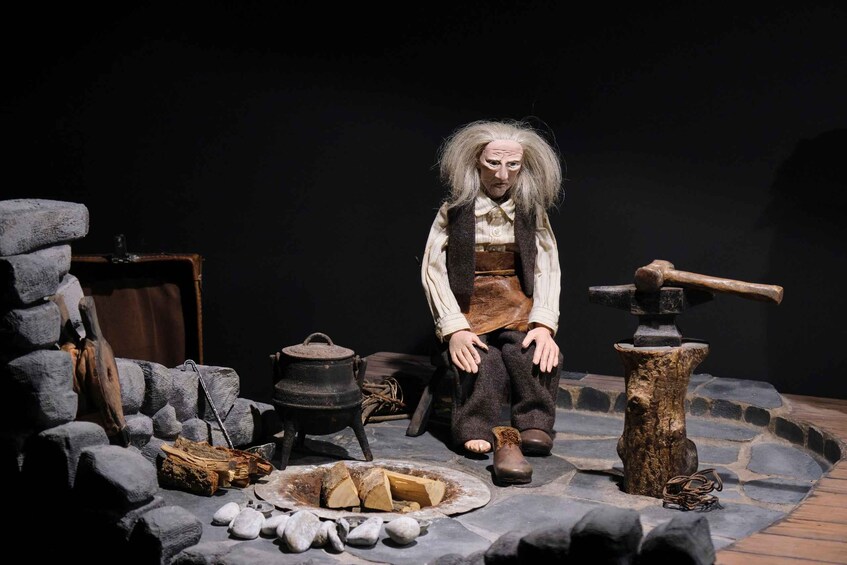
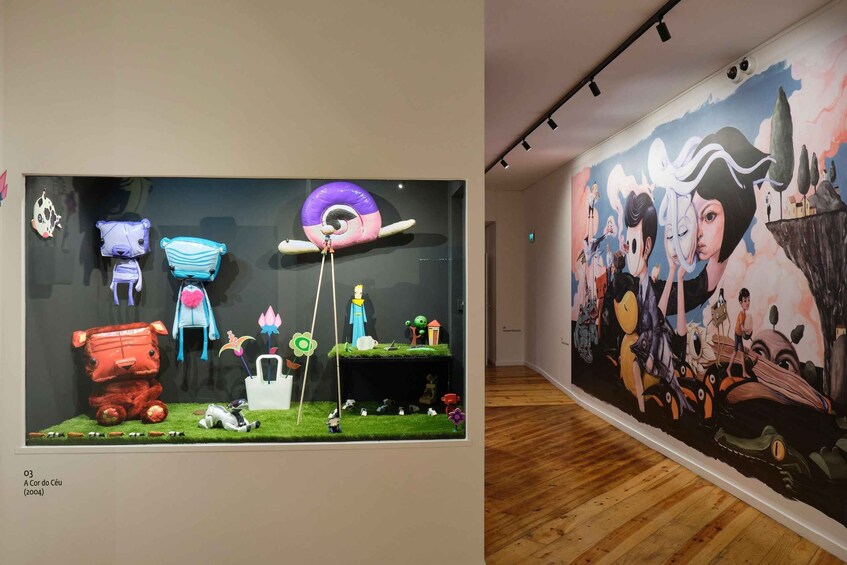
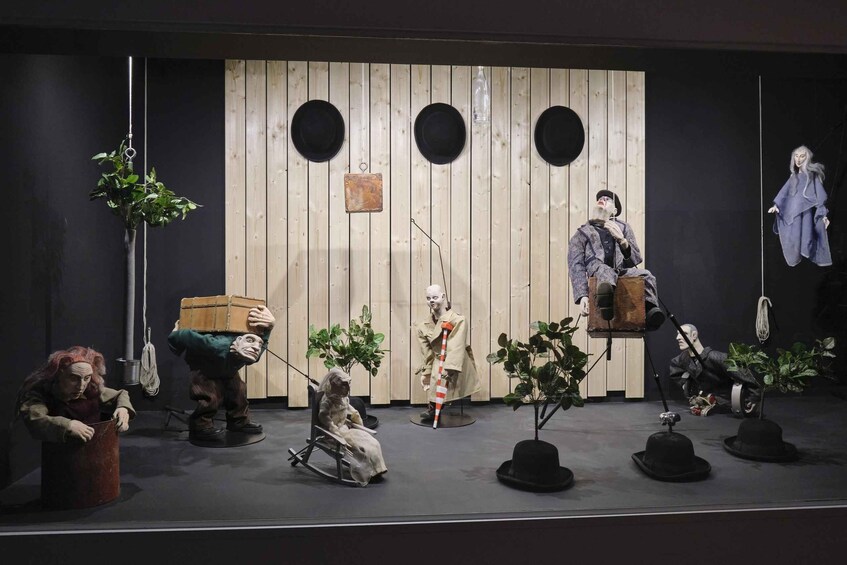
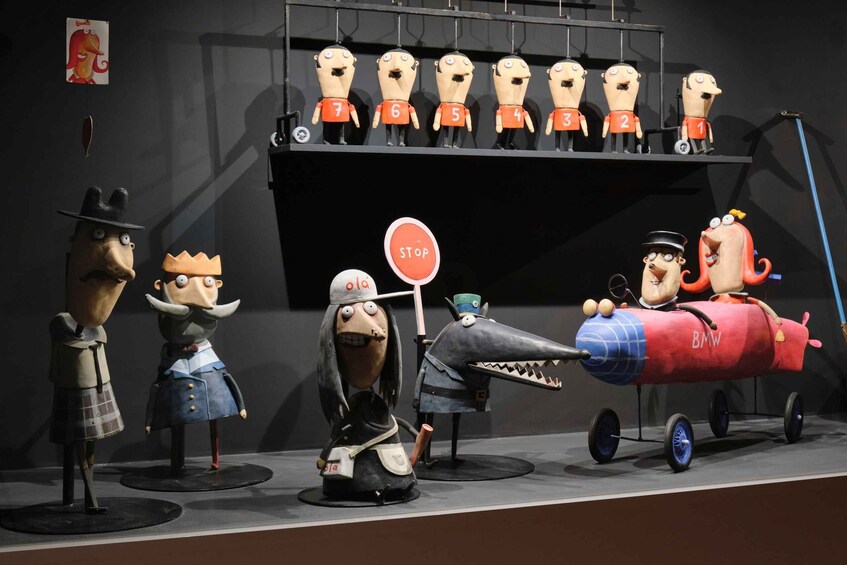
Puppets, stage props and other symbolic objects used in the performances, as well as some of its stories, are part of the exhibitions. Since 2017, Museu das Marionetas do Porto has also been an inclusive museum, thanks to its accessibility features. Museu das Marionetas do Porto contributes to keeping the cultural and artistic heritage alive, inscribing in the city the founder João Paulo Seara Cardoso (1956-2010), through his unique work in the puppet scene in Portugal. Museu das Marionetas do Porto asserts itself as a museum that keeps pace with New Museology; it is a place at the service of society, which treats, preserves, investigates, communicates and exhibits material testimonies of the experience performed by artists. The architecture, the exhibition design and the close relationship with the public are conceived to make the ‘museum space’ a special place. The museum has a specific project in which the mission, the values, the public and the strategies are designed based on the observation of the world, in constant update. Museums have contributed to reflecting on many issues, promoting new discourses, often resulting from new social, economic and political conditions. They also actively contribute to raising awareness of new social and accessibility concerns, and they have also been adopting best practices. Museu das Marionetas do Porto finds itself in this mind frame, through the active and dynamic participation of the whole team. All the work is carried out based on this assumption of change/update/permeability towards participation and the construction of current and stimulating discourses, without losing the concept of the Museum itself: to be an author’s museum, providing a public service, and to expand by sharing Contemporary Puppets.