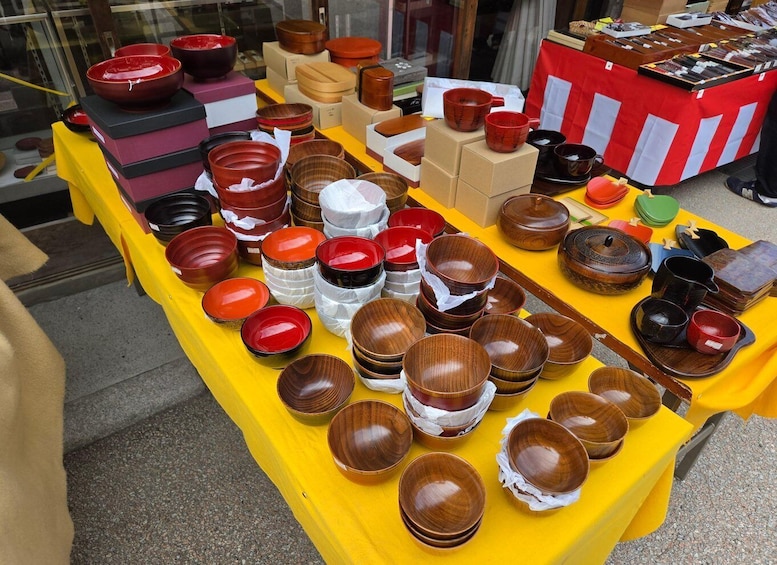
Discover the craft culture of Kiso-Hirasawa, a historic village in the Kiso Valley known as one of Japan’s important lacquerware production areas. Meet your guide in front of Kiso-Hirasawa Station, where you will receive a brief introduction to the tour and learn that this experience focuses on the history, techniques, and local life behind Japanese lacquerware.
Walk towards the Kiso Lacquerware Museum while learning about Hirasawa and the wider Kiso region. Because this mountain valley had limited farmland, forestry and woodcraft are believed to have played an important role in local livelihoods. The area was also located along the old route connecting Edo and Kyoto, allowing craft production to develop alongside travel culture. In this setting, Hirasawa became known for making lacquered combs, compact souvenirs that travellers could easily carry, and lacquerware production gradually became a major local industry.
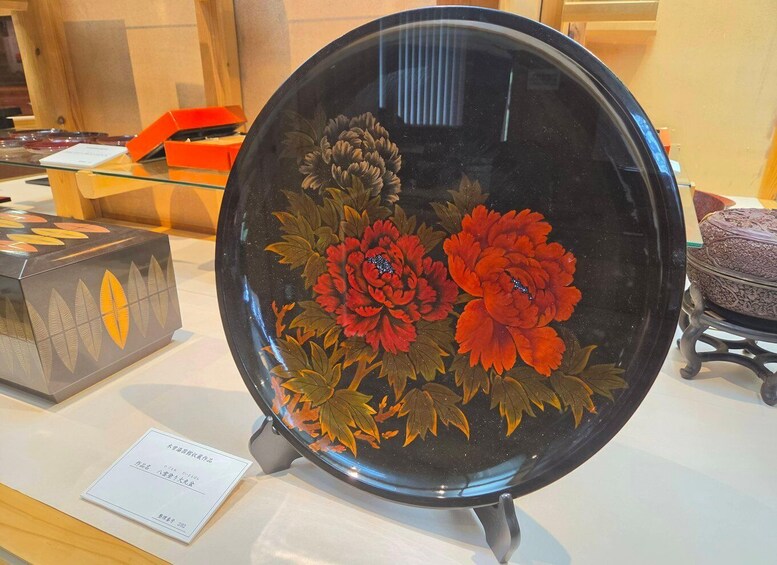
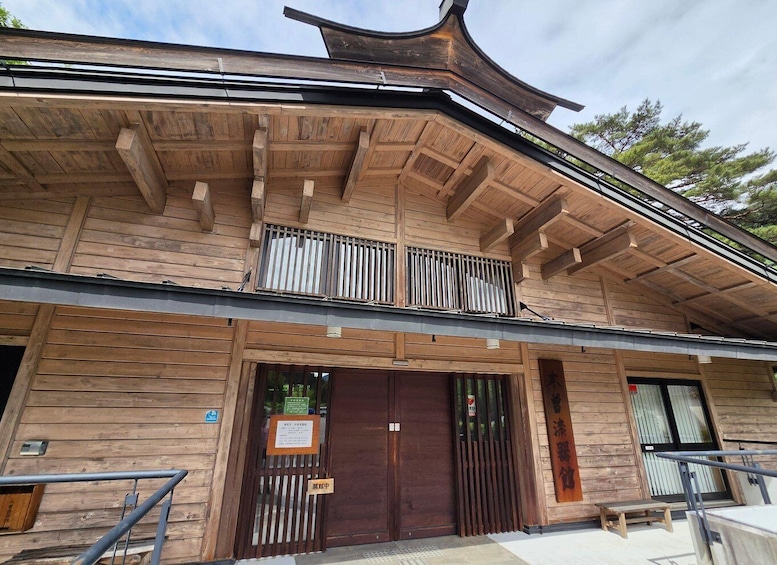
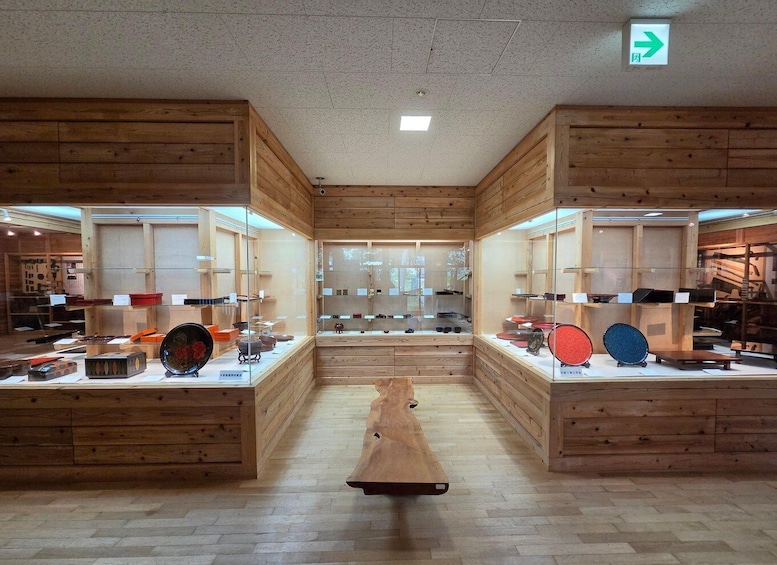
At the Kiso Lacquerware Museum, explore the second floor first, where your guide will introduce a wide range of lacquerware works, including pieces by master craftsmen and items connected to the Nagano Olympics. Learn about different lacquer techniques such as Shunkei, tsuishu, wiped lacquer, chinkin, and tame-nuri, and see how each technique creates a different texture, colour, depth, and character.
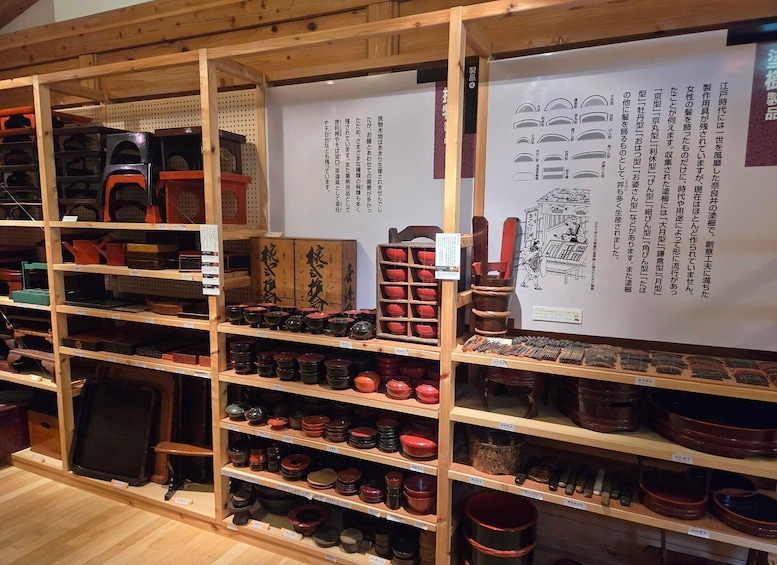
On the ground floor, learn how lacquerware is made step by step through displays of tools, materials, and production processes. Your guide will explain the work behind each finished piece, helping you understand what to look for when comparing lacquerware later in town.
After leaving the museum, walk towards the Hirasawa-juku area and visit around two local lacquerware shops. See actual lacquerware up close, compare different styles and finishes, and learn how museum knowledge connects to real products still sold in the village today. If you wish, your guide can also help you choose or purchase lacquerware.
The tour ends in front of Kiso-Hirasawa Station. By the end of the experience, you will understand Kiso-Hirasawa not only as a quiet village, but as a living craft town shaped by mountains, travel routes, wood, lacquer, and generations of skilled artisans.