Discover the Sicilian town of Naro on a guided tour. Explore the town's historic centre, see the Church of San Francesco d 'Assisi, and visit the Chiaramonte Castle. Learn about the town's history and legends.
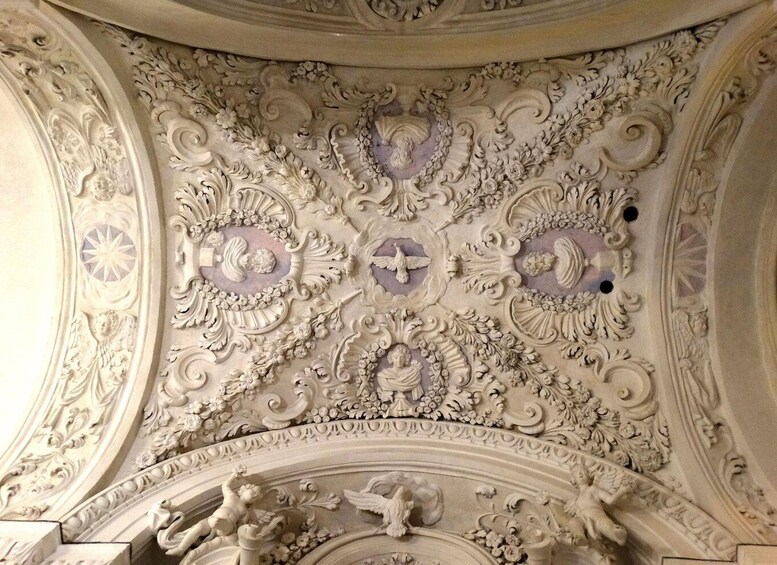
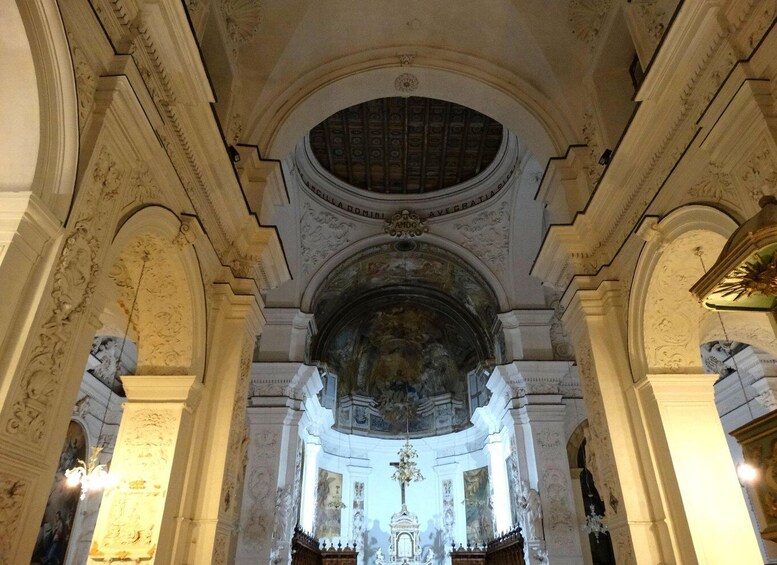
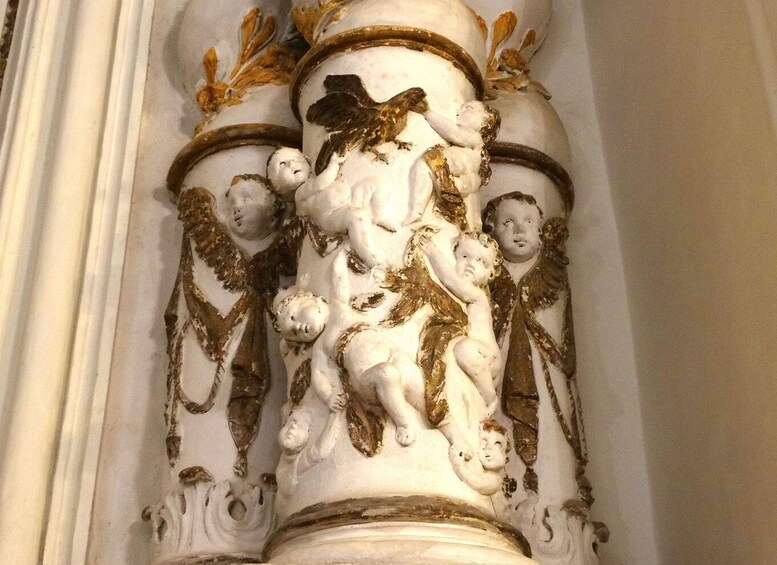
Start your tour at the Town Hall with a beautiful cloister and head towards one of the most beautiful churches in Naro, the Church of San Francesco d 'Assisi, an artistic heritage protected by UNESCO. This beautiful medieval religious building has been enriched over time by stuccoes and Baroque decorations and houses valuable works of art and a splendid eighteenth-century cloister of the Franciscan order with garden and fountain.
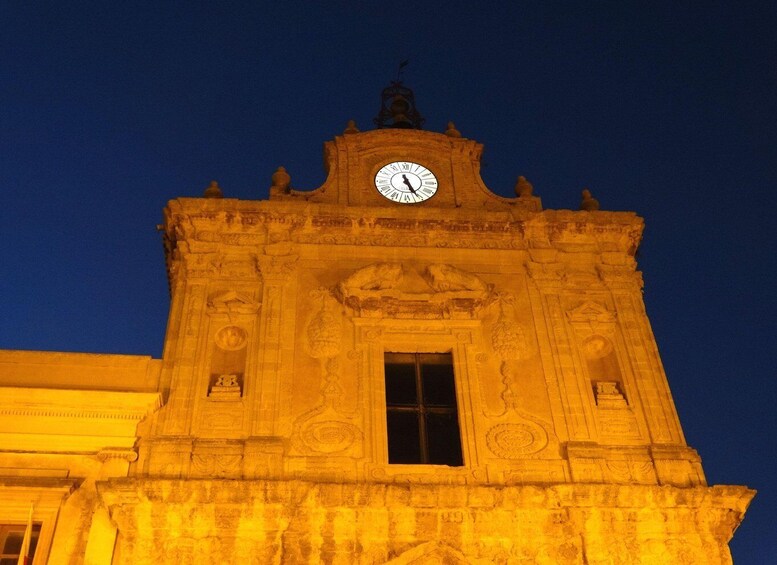
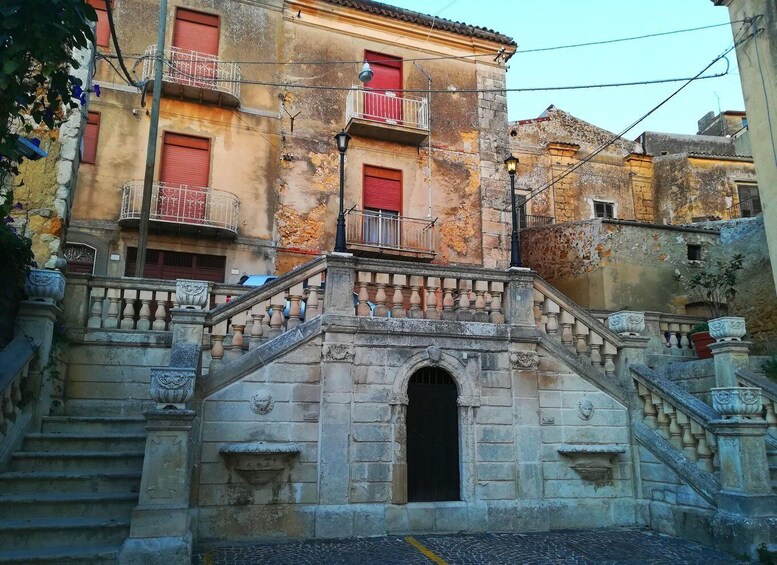
Walk through the historic centre of Naro and admire the characteristic alleys typical of Sicilian villages, the stairways, the medieval churches with stone facades, and elegant Baroque buildings with grotesque masks adorning the balconies.
Continue by visiting the Church of Maria Santissima Annunziata, a Jesuit college that for more than a century has hosted a prestigious school with university courses. The church, built in the seventeenth century, preserves precious works from the old cathedral together with statues and decorations in the Baroque style.
Head towards the slope that takes you to the highest point of the city where the castle stands, stopping along the way with a visit to the Norman Cathedral which still retains all its ancient charm despite only the perimeter walls remain standing. The ancient religious building, now deconsecrated, dates back to 1100 and was built by the Normans on a pre-existing Arab mosque.
Continue the staircase to arrive at the symbolic place of Naro, the Chiaramonte Castle, declared a national monument. Built on the foundations of an Arab fort, it amazes with its perfect conservation over the centuries with the beautiful square tower 21 metres high. Visit the castle and enjoy a spectacular 360 ° panoramic view over the whole valley and the countryside with the vineyards.
End your tour by discovering the legends of the castle, such as the one about the ghost of Madonna Giselda and the characteristic Museum of the clothes of the nineteenth-century nobles.