

- List your property
- Support
- Trips
 Members save 10% or more on over 100,000 hotels worldwide when you’re signed in
Palermo: Private Walking Tour with Street Food & Beer
Features
- Free cancellation available
- 2h
- Mobile voucher
- Instant confirmation
- Multiple languages
Overview
- Savour the flavours of Palermo with a craft beer and a Sicilian cannolo
- Discover the city's iconic landmarks and medieval churches
- Admire the stunning mosaics at the Church of Santa Maria dell’Ammiraglio
- Explore the Cathedral of Palermo and see the tombs of emperors
- Enjoy a street food experience with Palermo’s famous pastelle
Activity location
- Palermo
- Palermo, Sicilia, Italy
Meeting/Redemption Point
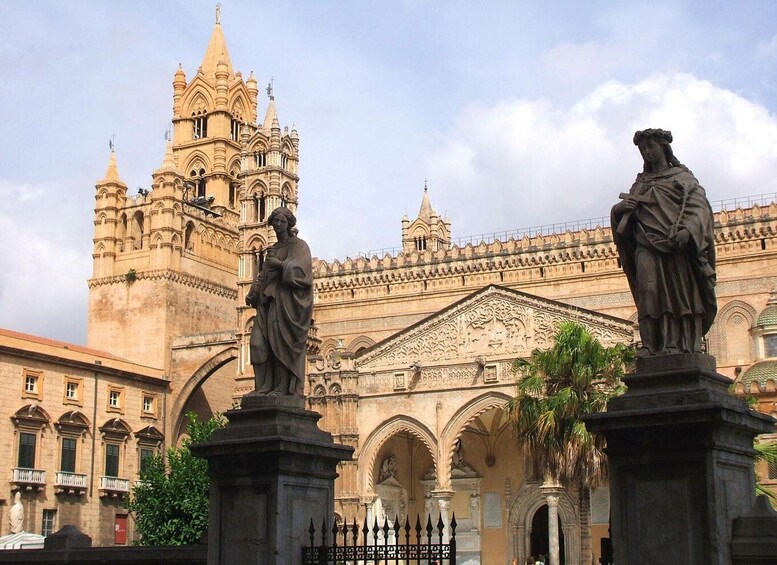
- P.za della Cattedrale, 90134 Palermo PA, Italia | Meeting point with the local guide: In the center of the square in front of the cathedral entrance, next to the statue of Saint Rosalia. The guide will have an identification badge around his neck
- Palermo, Sicilia, Italy
Check availability
Palermo: Private Walking Tour with Street Food & Beer
- 2h
- English
What's included, what's not
- Private tour with licensed guide
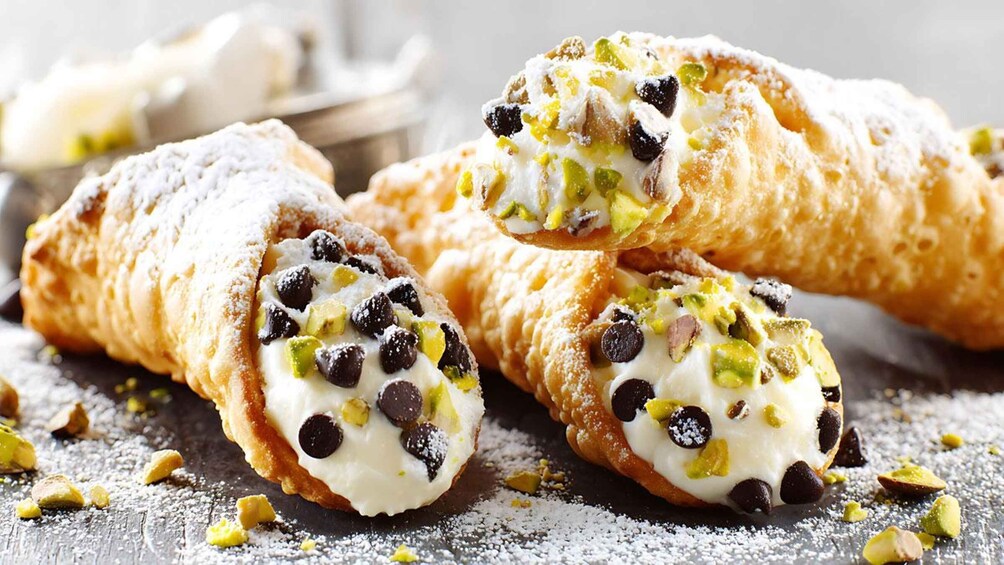
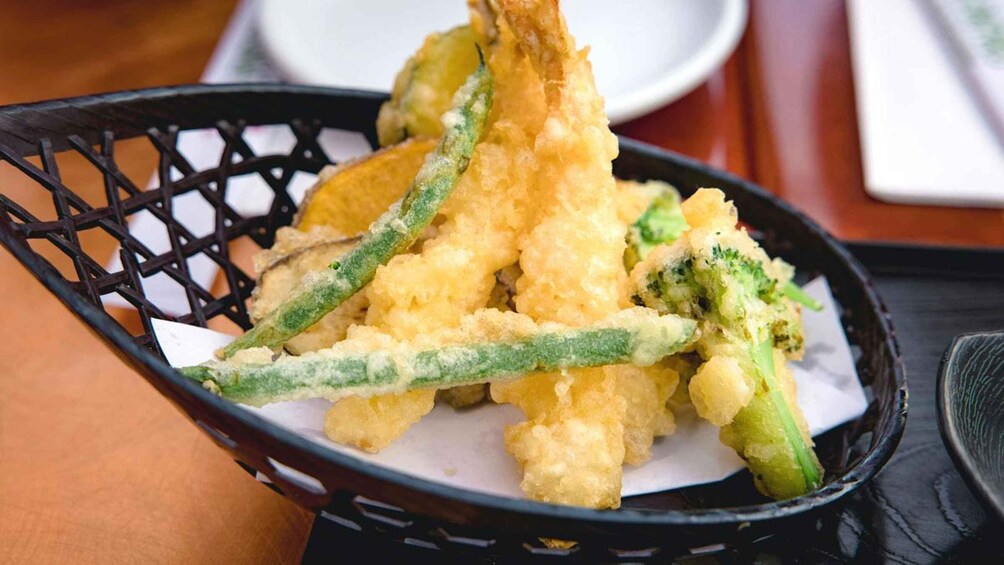
- Street food with typical Palermitan panelle, fried, accompanied by a glass of beer and a Sicilian cannolo
- Tickets to museums/palaces/churches (optional, not included)
- Transport to the starting point
- Personal expenses
- Service charge
What you can expect
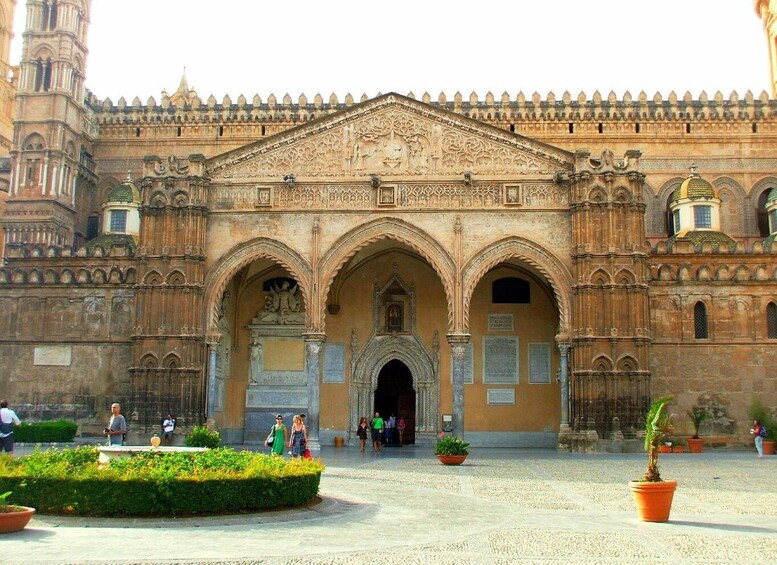
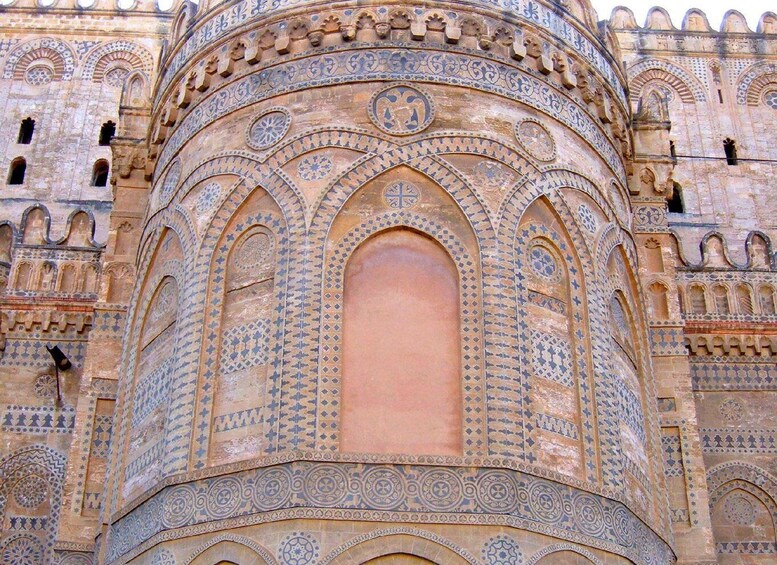
Begin your tour at the Cathedral of Palermo, erected in 1185 and dedicated to the Assumption of the Virgin Mary. Learn how it was transformed into a mosque by the Saracens in the 9th century. Admire the medieval edifice, originally with a basilica plan with three apses, of which only minor architectural elements survive today.
Head inside to see the Latin cross plan with a nave and two aisles divided by pilasters. In the first two chapels of the right aisle, see the tombs of emperors and royal figures moved here in the 18th century, including Emperor Henry VI, his son Frederick II, and Peter II of Sicily.
Admire a Roman sarcophagus that houses Constance of Aragon, Frederick’s wife, and see the mosaic baldachins that house the tombs of Roger II, the first King of Sicily, and his daughter Constance.
Continue along Vittorio Emanuele Street to Quattro Canti Square, where you will see the Fontana Pretoria, built in 1544. The fountain featured 48 statues and was surrounded by a long arbor formed by 90 wooden columns designed by Bartolomeo Ammannati.
Next, visit the church of Santa Maria dell’Ammiraglio (also called Martorana), a unique fusion of styles accumulated over centuries. Built in the compact cross-in-square (Greek cross plan), the church is renowned for its 12th-century Byzantine mosaics, showing similarities to the Cappella Palatina, Monreale Cathedral, and Cefalù Cathedral, executed by skilled craftsmen. The nave dome features the majestic Christ Pantokrator surrounded by archangel saints — truly breathtaking.
Along the tour, enjoy a street food experience with Palermo’s famous pastelle, fried in olive oil, accompanied by a craft beer, and topped off with a traditional Sicilian cannolo.
Location
Activity location
- Palermo
- Palermo, Sicilia, Italy
Meeting/Redemption Point
- P.za della Cattedrale, 90134 Palermo PA, Italia | Meeting point with the local guide: In the center of the square in front of the cathedral entrance, next to the statue of Saint Rosalia. The guide will have an identification badge around his neck
- Palermo, Sicilia, Italy