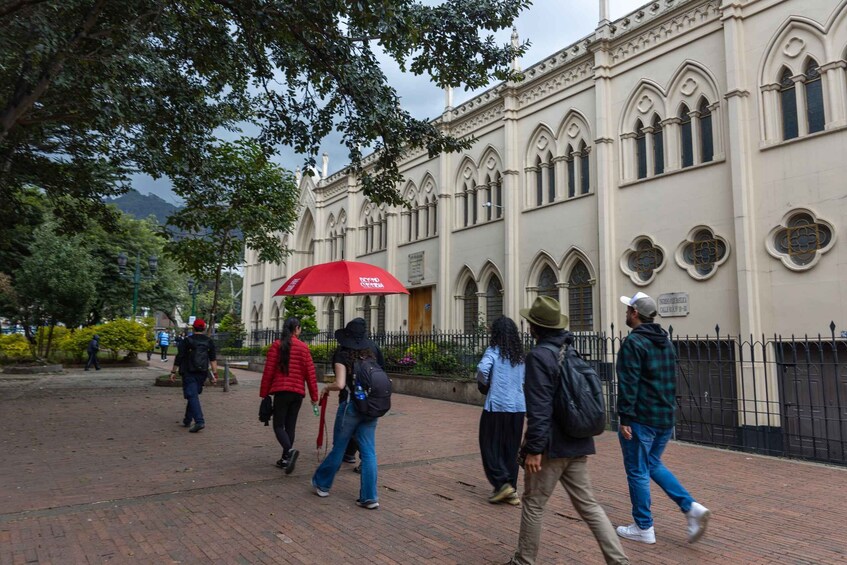
Bogotá is often described through the lens of its colonial past: La Candelaria, centuries-old churches, the squares where the republic was born, and the walls that seem to have seen it all. That narrative is essential, but it's incomplete. Because Bogotá is not only a city of remembrance; it is also a city that changes, debates, contradicts itself, and reinvents itself every day. And one of the places where this process is most intensely experienced is Chapinero.
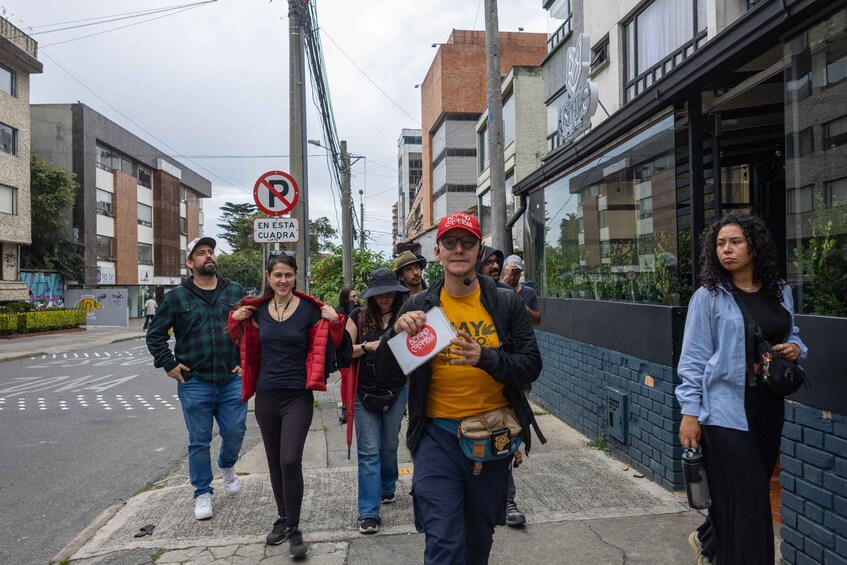
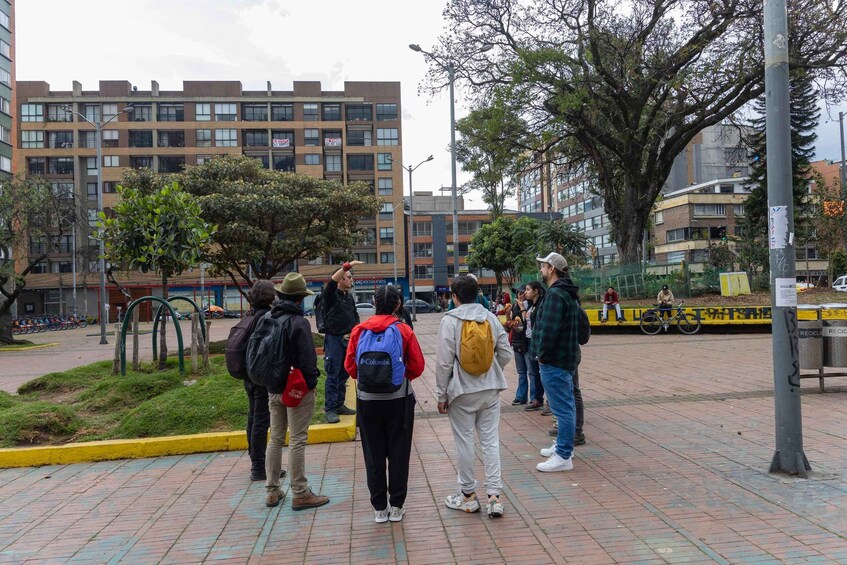
Our free walking tour of the Chapinero area invites you to discover contemporary Bogotá, a city that is not frozen in time, but rather in a state of constant transformation. Throughout the tour, we will explore how this area evolved from an elegant suburb for Bogotá's elite to one of the city's most diverse, creative, and expressive areas. Chapinero is a place where the past does not disappear, but rather engages with the present and challenges the future.
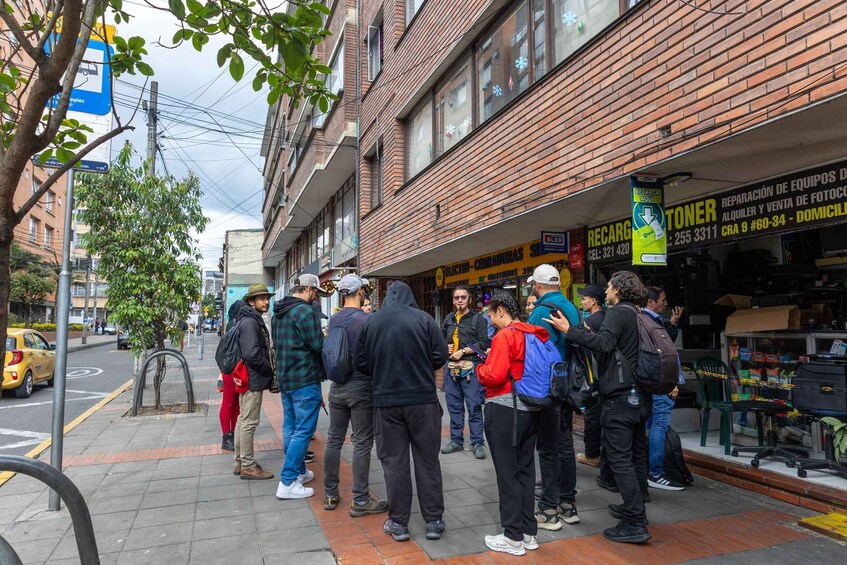
During the tour, we will walk through streets where 20th-century mansions stand alongside modern high-rises, and where old Neo-Gothic churches such as the Church of Lourdes are located just a short walk from universities, independent cafés, and cultural venues. We will discuss social class, urban planning, and economics, gaining insight into why Chapinero has always been a meeting point—and at times a source of tension—between different worlds: the upper class, the university-educated and creative middle class, and the working class that sustains the neighborhood's daily life.
The tour also delves into Chapinero's social role as a cradle of critical thinking, student movements, and civil rights struggles. We will analyse why Chapinero became a key space for debate, protest, and the development of citizenship in Bogotá.
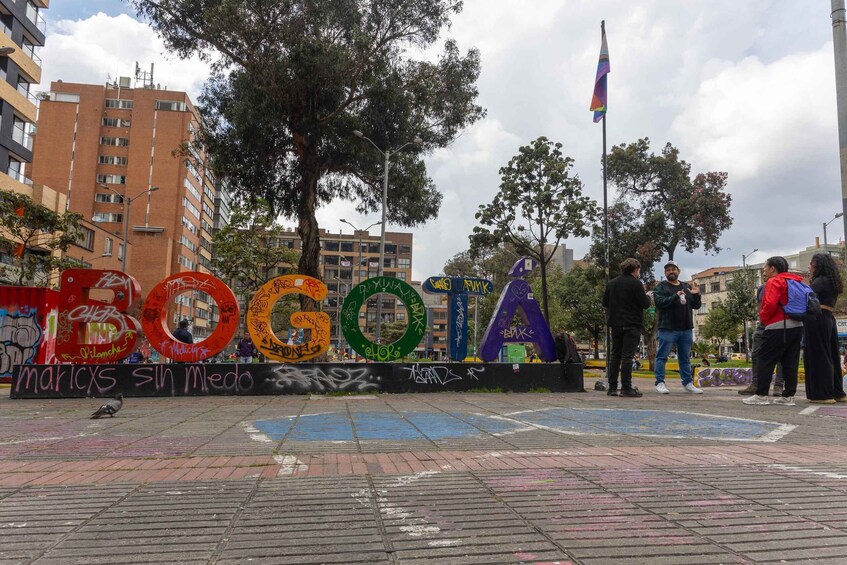
In addition, we will explore the history of Chapinero as an epicentre of diversity and inclusion, particularly in relation to the LGBTQ+ community, and learn how this area transitioned from a place of secrecy and discrimination to one of visibility, activism, and celebration. Here, diversity is not just talk: it is an everyday reality expressed through street art, nightlife, culture, and the very way people inhabit the space.
Finally, we will explore the emergence of Chapinero as a culinary and creative hub, visiting Zona G and cultural ventures that have become economic drivers and symbols of contrast and urban transformation.
This is not a tour of monuments; it is an experience to see, hear, and understand how a living city is built, with its contradictions, its tensions, and its imperfect beauty. Chapinero cannot be explained by dates alone: it is understood by listening to its stories, observing its many layers, and walking its streets.
Dare to discover the Bogotá that doesn't appear in books but does exist in everyday life. Welcome to Chapinero!