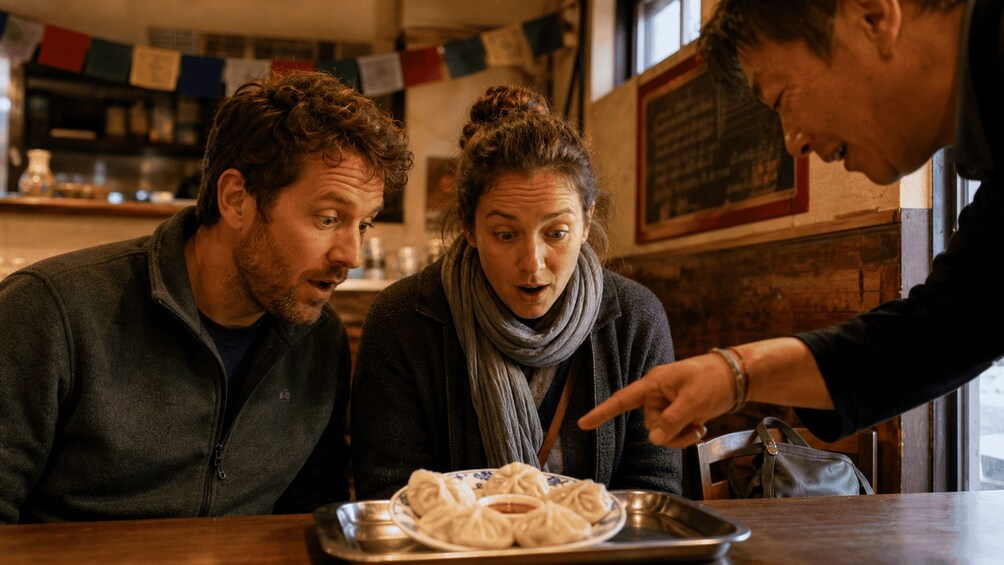
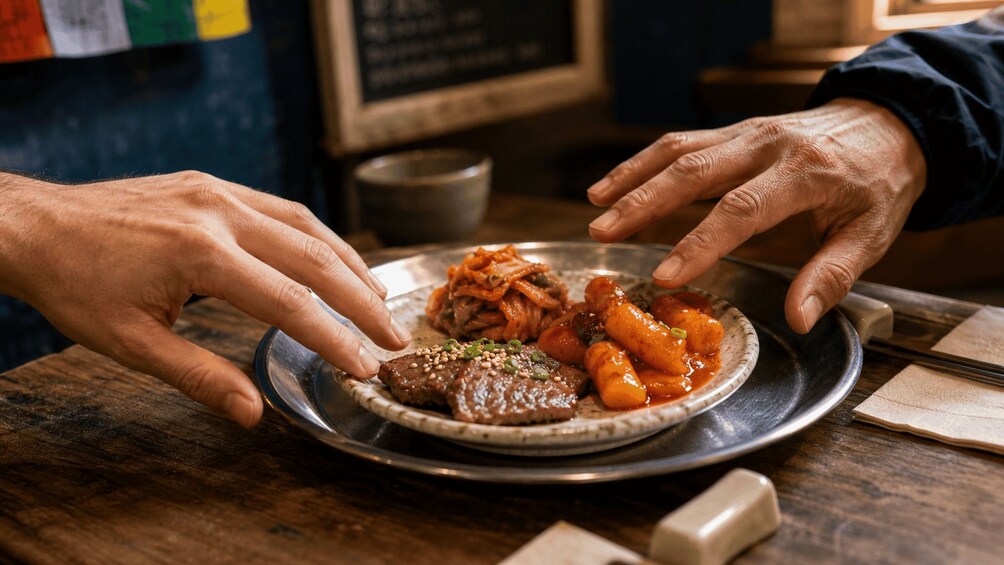
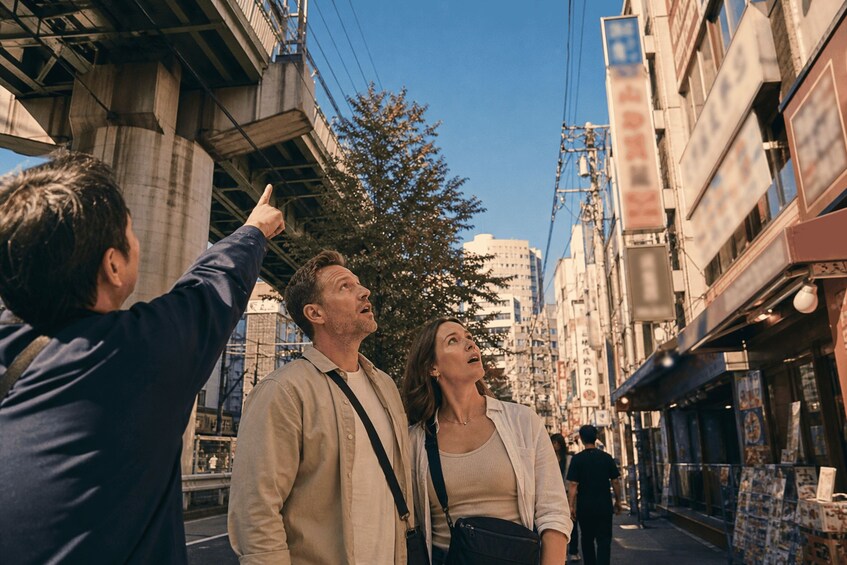
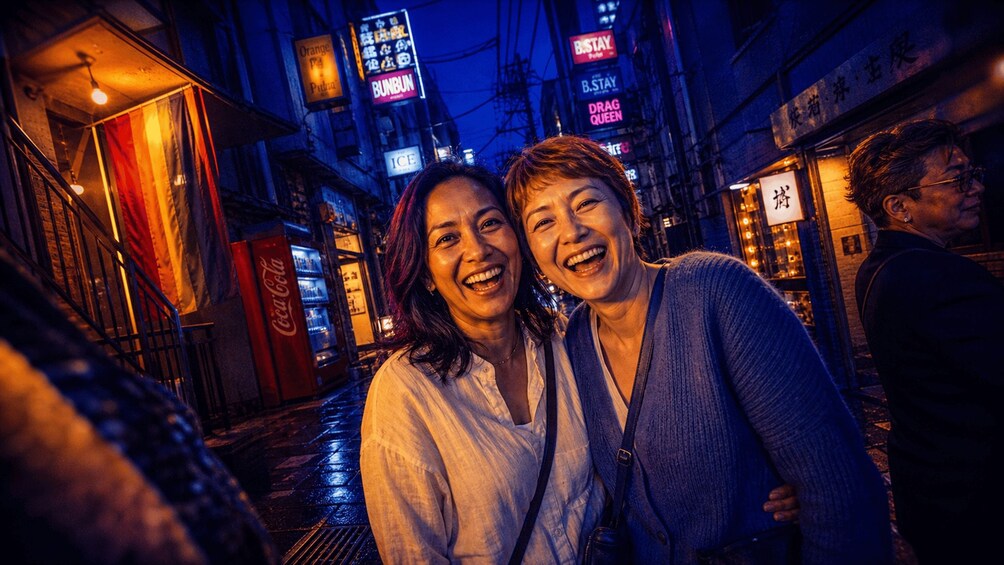
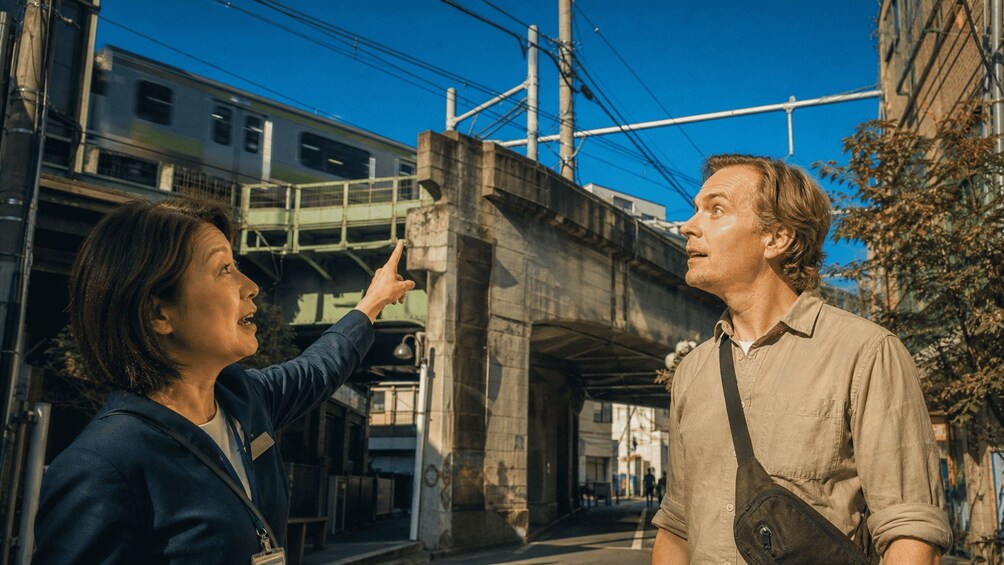
This is not a Koreatown shopping tour — it's a walk about how “homogeneous Japan” quietly stopped being true, and what the country is doing about it.
Most visitors who reach Shin-Okubo come for K-pop goods and Korean barbecue. This walk uses the same streets to ask a different question: how did a country that still describes itself as ethnically homogeneous end up with a dense, overlapping patchwork of immigrant communities in the middle of its capital — and what happens when that patchwork causes friction?
You'll start on Okubo-dori, where the shopfronts everyone photographs sit on top of a much older storey: a Korean community that settled here from the late 1960s around a Lotte factory, built its financial life around a Korean credit union on “Shokuan-dori” through the 1970s, and only became a K-pop tourist destination decades later, after the 2002 World Cup. One street back, Islam Yokocho tells a newer storey — halal grocers, South Asian tailors, and a area mosque that took shape from the mid-2000s onward, followed by a wave of Nepali shops after a 2008 government policy loosened visa rules for international students.
The walk also confronts the friction directly. In the early 2010s, this same street was the site of repeated anti-Korean street demonstrations — events significant enough that they became a direct reason Japan passed its first-ever national law against hate speech in 2016. Today, over 3.5 million foreign residents live in Japan, a record high, and the shopfronts of Shin-Okubo are a street-level version of a shift playing out nationwide.
Designed for travellers who want to understand contemporary Japan — not just its history, but the immigration and coexistence questions it is still working through.