Brant Broughton

Travel Guide

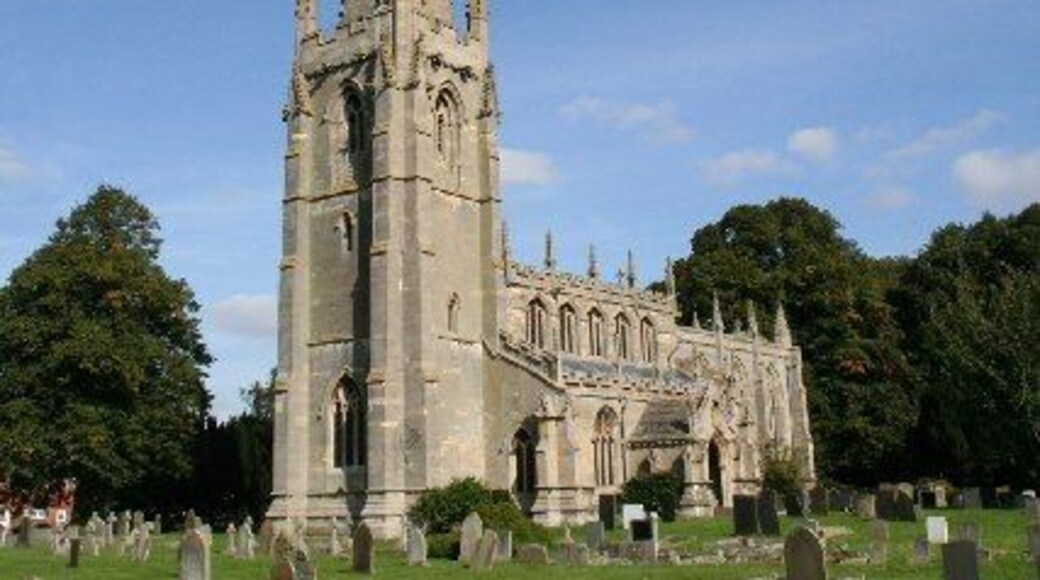
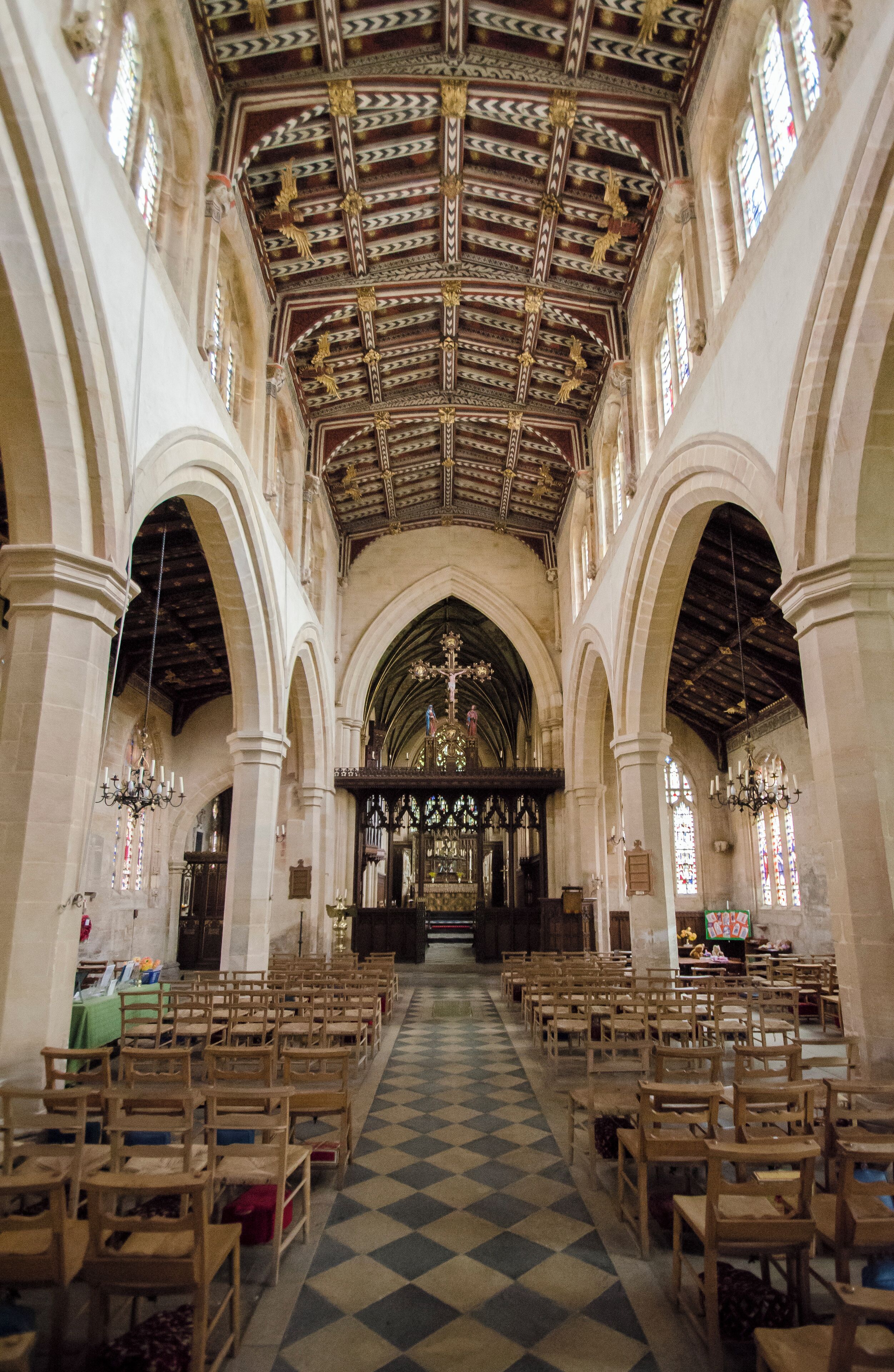
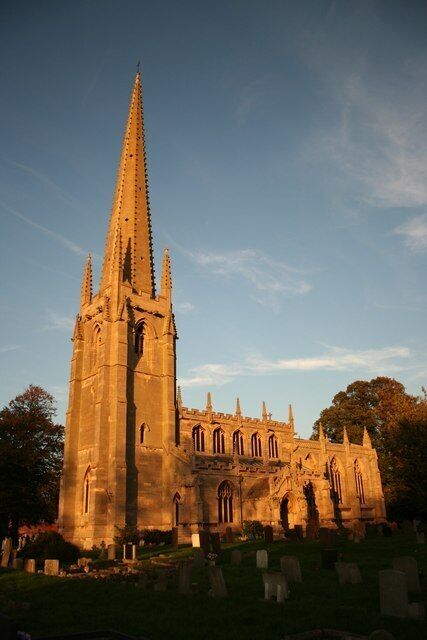
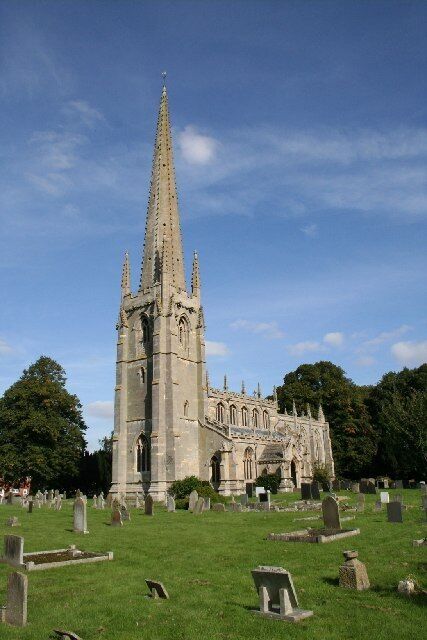
Described as “without doubt one of the most glorious of all Lincolnshire churches…like a medieval dream”. Much of the credit for this beauty must go to Canon Frederick Heathcote Sutton, who was Rector from 1873 to 1888, and in partnership with the architect G.F.Bodley (1827-1907) he carried out an extensive programme of rebuilding and restoration, mainly between 1874 and 1876. The roof-line of the 13th century church is still visible on the wall of the tower arch, and the Decorated style west windows in the aisles were also part of this building. In the next century came the lower part of the tower and the arcades with their octagonal pillars. The crocketed spire, 198 feet high, is a landmark for many miles Two fragments of a stone effigy, comprising the robed torso of a priest and a hand holding a chalice, were found beneath the floor at the base of the tower, and Canon Sutton thought they might have come from the tomb of John Torald (Thorold) who was Rector here from 1457 to 1468. The clerestory and the fine roof were added in the 15th century and are Late Perpendicular. From the central aisle it is interesting to compare the roofs, doors and early Perpendicular windows of the side aisles. Although they appear identical at first sight, their style and decoration differ in several respects, the south side having been built later than the north aisle. During the Bodley restoration the bowl of the old font was re-worked, decorated with sunk panels and carving and set on a new shaft and base. The font cover was designed by Thomas Garner. Its decoration echoes the crockets and pinnacles on the spire of the church. The cover opens to reveal a painted interior, and carved figures of St Michael, St Nicholas and St Agnes. The Rood screen and choir stalls were erected in 1890 by Canon Arthur Sutton. The figure of the crucified Christ was added in 1919. The chancel arch marks the beginning of the re-building undertaken in 1874, when the chancel of 1812 was demolished and replaced by the present structure. The north-east aisle and the vestries were also built then, in part on pre-1812 foundations. The Gothic design of the chancel blends perfectly with the ancient church to which it was added. Canon Sutton designed the Reredos installed in 1887 and gave the painted panel depicting the Ascension which is its centrepiece. This, part of a polytych, dates from about 1490 and is the work of the artist known as the Master of Liesborn. The reredos, with its carvings of the four Evangelists and its rich gilding, was inspired by medieval German work. The ceilings of the chancel and the choir aisle are outstanding examples of High Victorian design by a great architect. During the demolition of the old chancel some long and short work from the original Saxon church was uncovered at the north-east angle of the nave. Other finds included a piece of interlaced Saxon stonework. Fragments of monuments of the Daubney family (Lords of the Manor in the 13th and 14th centuries) were found in the old walls and later reconstructed to form the table tomb in the north east aisle. On the south side of the church are two sundials, one in the angle of the buttresses at the south-east corner of the nave and the other between the south-east buttresses on the wall of the tower. The porches, dating from the late 14th century, both have fine stone vaulted roofs. Like the aisles they are similar, but not identical and both have a number of interesting carvings. (Condensed from Church Guide) Pic by Jenny.
Described as “without doubt one of the most glorious of all Lincolnshire churches…like a medieval dream”. Much of the credit for this beauty must go to Canon Frederick Heathcote Sutton, who was Rector from 1873 to 1888, and in partnership with the architect G.F.Bodley (1827-1907) he carried out an extensive programme of rebuilding and restoration, mainly between 1874 and 1876. The roof-line of the 13th century church is still visible on the wall of the tower arch, and the Decorated style west windows in the aisles were also part of this building. In the next century came the lower part of the tower and the arcades with their octagonal pillars. The crocketed spire, 198 feet high, is a landmark for many miles Two fragments of a stone effigy, comprising the robed torso of a priest and a hand holding a chalice, were found beneath the floor at the base of the tower, and Canon Sutton thought they might have come from the tomb of John Torald (Thorold) who was Rector here from 1457 to 1468. The clerestory and the fine roof were added in the 15th century and are Late Perpendicular. From the central aisle it is interesting to compare the roofs, doors and early Perpendicular windows of the side aisles. Although they appear identical at first sight, their style and decoration differ in several respects, the south side having been built later than the north aisle. During the Bodley restoration the bowl of the old font was re-worked, decorated with sunk panels and carving and set on a new shaft and base. The font cover was designed by Thomas Garner. Its decoration echoes the crockets and pinnacles on the spire of the church. The cover opens to reveal a painted interior, and carved figures of St Michael, St Nicholas and St Agnes. The Rood screen and choir stalls were erected in 1890 by Canon Arthur Sutton. The figure of the crucified Christ was added in 1919. The chancel arch marks the beginning of the re-building undertaken in 1874, when the chancel of 1812 was demolished and replaced by the present structure. The north-east aisle and the vestries were also built then, in part on pre-1812 foundations. The Gothic design of the chancel blends perfectly with the ancient church to which it was added. Canon Sutton designed the Reredos installed in 1887 and gave the painted panel depicting the Ascension which is its centrepiece. This, part of a polytych, dates from about 1490 and is the work of the artist known as the Master of Liesborn. The reredos, with its carvings of the four Evangelists and its rich gilding, was inspired by medieval German work. The ceilings of the chancel and the choir aisle are outstanding examples of High Victorian design by a great architect. During the demolition of the old chancel some long and short work from the original Saxon church was uncovered at the north-east angle of the nave. Other finds included a piece of interlaced Saxon stonework. Fragments of monuments of the Daubney family (Lords of the Manor in the 13th and 14th centuries) were found in the old walls and later reconstructed to form the table tomb in the north east aisle. On the south side of the church are two sundials, one in the angle of the buttresses at the south-east corner of the nave and the other between the south-east buttresses on the wall of the tower. The porches, dating from the late 14th century, both have fine stone vaulted roofs. Like the aisles they are similar, but not identical and both have a number of interesting carvings. (Condensed from Church Guide)
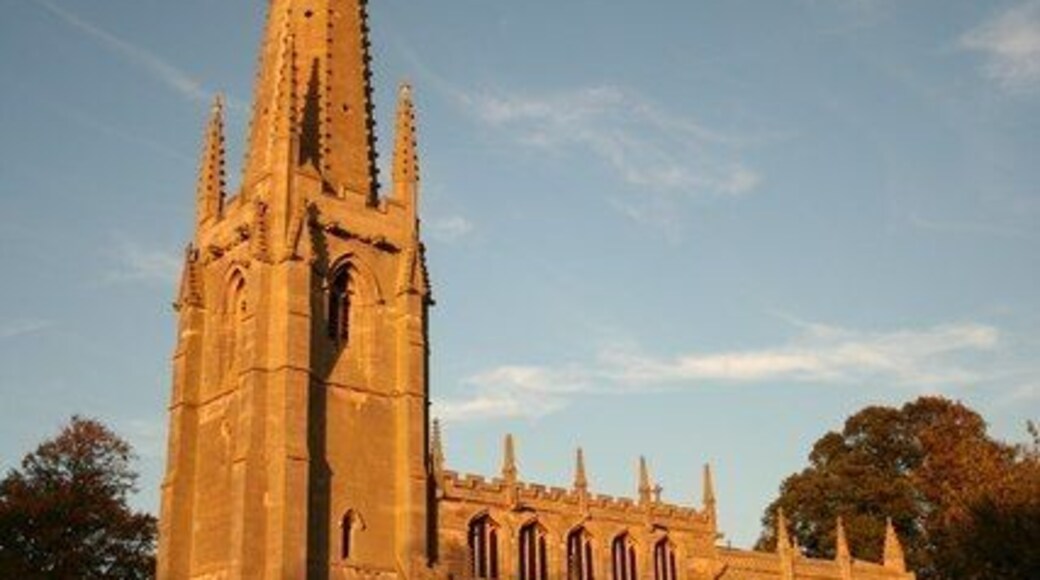
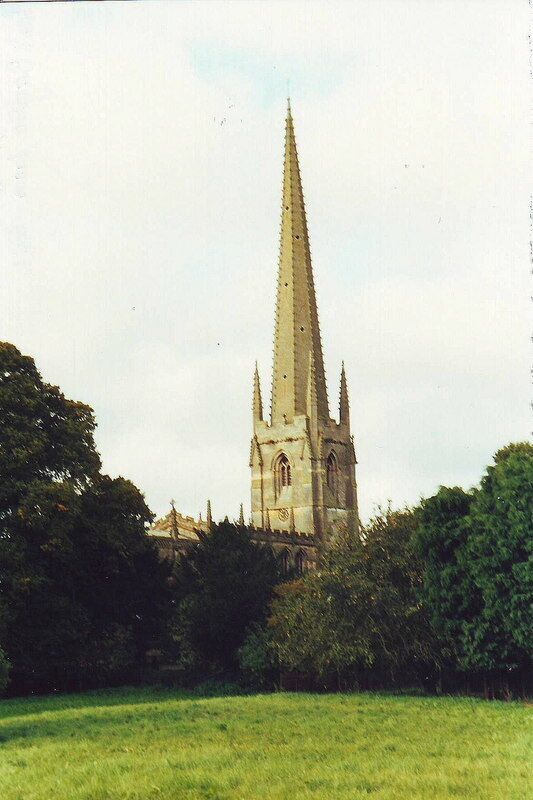
Spire of St. Helen's, Brant Broughton
St.Helen's church, Brant Broughton A golden glow to St.Helen's church in the late afternoon Autumn sunshine
Belton Woods Hotel, Spa & Golf Resort

Belton Woods Hotel, Spa & Golf Resort

4 out of 5
Belton Grantham England
Fully refundableReserve now, pay when you stay
The price is €108 per night from 1 Mar to 2 Mar
€108
1 Mar - 2 Mar
includes taxes & fees
Stay at this spa hotel in Grantham. Enjoy free Wi-Fi, free parking and a full-service spa. Our guests praise the helpful staff and the clean rooms in their reviews. ...
8.4/10 Very Good! (1,000 reviews)
Nothing special, fairly basic and certainly not worth the money

Reviewed on 17 Feb 2026

Belton Woods Hotel, Spa & Golf Resort
DoubleTree by Hilton Lincoln

DoubleTree by Hilton Lincoln

4 out of 5
Brayford Wharf North Lincoln England
The price is €79 per night from 26 Feb to 27 Feb
€79
26 Feb - 27 Feb
includes taxes & fees
Stay at this business-friendly hotel in Lincoln. Enjoy free Wi-Fi, breakfast (surcharge) and 24-hour room service. Our guests praise the helpful staff and the ...
8.2/10 Very Good! (1,005 reviews)
I booked a standard room, but was given a twin room with two single beds. Said they were fully booked and could not help

Reviewed on 16 Feb 2026

DoubleTree by Hilton Lincoln
White Hart Hotel

White Hart Hotel

4 out of 5
Bailgate Lincoln England
Stay at this business-friendly hotel in Lincoln. Enjoy free Wi-Fi, 2 restaurants and 2 bars/lounges. Our guests praise the breakfast and the helpful staff in ...
9/10 Wonderful! (724 reviews)
Room was Comfortable Except there wasn't a light in the Wardrobe So it was quite Dark

Reviewed on 4 Feb 2026

White Hart Hotel
Lowest nightly price found within the past 24 hours based on a 1 night stay for 2 adults. Prices and availability subject to change. Additional terms may apply.
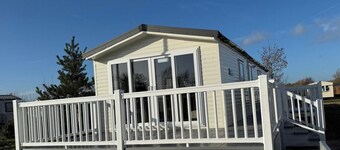
The Plough Retreat

The Plough Retreat

3 out of 5
Main Street Newark England
Stay at this apartment in Newark. Enjoy free parking and a bar/lounge. Popular attractions Newark Air Museum and ELK Motorsport are located nearby.
8.6/10 Excellent! (57 reviews)
Wouldn’t recommend
Disappointed with room, cold - one radiator didn’t appear to work and one needed reprogramming in order to get warmth. The duvet was thin meaning we were cold during the night, and the bed was uncomfortable, so much so we nearly got up and drove home. Shower had black mould on head & pipe. There ...

Reviewed on 16 Oct 2025

The Plough Retreat
Woodhall Spa Manor - Stylish Secret escape

Woodhall Spa Manor - Stylish Secret escape

Woodhall Spa ENG
Stay at this golf holiday home in Woodhall Spa. Enjoy free Wi-Fi, a garden and patios. Popular attractions National Golf Centre and Aqua Sante Spa are located ...
10/10 Exceptional! (2 reviews)
Golden Wedding Family Celebration
A beautiful spacious property close to the charming town of Woodhall Spa. The Manor was just right for a family of mixed ages, there were so many a activities to enjoy

Reviewed on 2 Aug 2022

Woodhall Spa Manor - Stylish Secret escape
Widgeon is prime location on duck lake, bbq & Large Hot Tub with private fishing @tattershall lakes

Widgeon is prime location on duck lake, bbq & Large Hot Tub with private fishing @tattershall lakes

Tattershall England
Stay at this family-friendly cabin in Lincoln. Enjoy free Wi-Fi, a beach locale and patios. Popular attractions Just Wake and Tattershall Castle are located ...
Widgeon is prime location on duck lake, bbq & Large Hot Tub with private fishing @tattershall lakes
Lowest nightly price found within the past 24 hours based on a 1 night stay for 2 adults. Prices and availability subject to change. Additional terms may apply.

Popular places to visit