An Art Residence Overlooking Dubrovnik, Lokrum and the Open Sea
There are places we remember by their address. There are places we remember through photographs. And then there are those rare places that remain in memory because of their light.
Villa Paulina belongs to the latter.
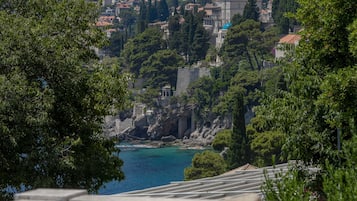
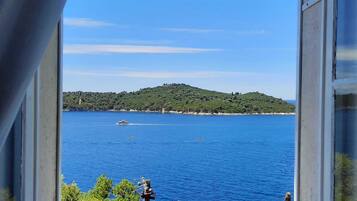
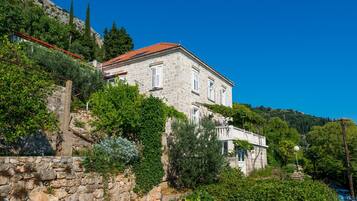
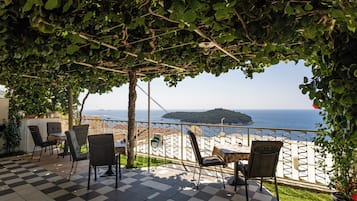
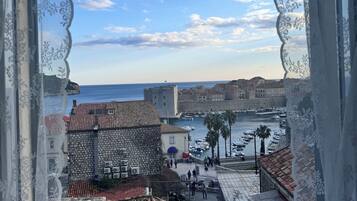
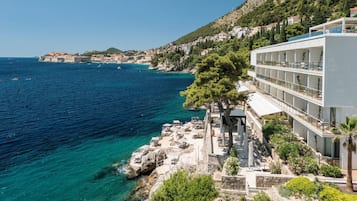
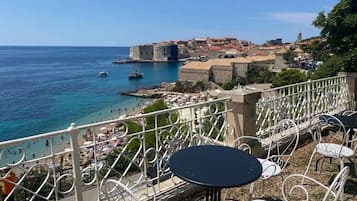
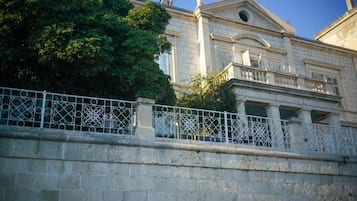
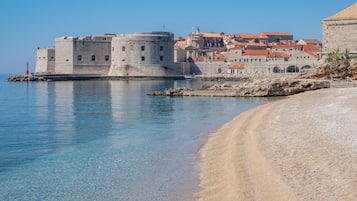
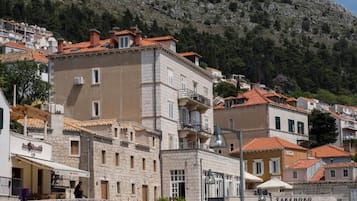
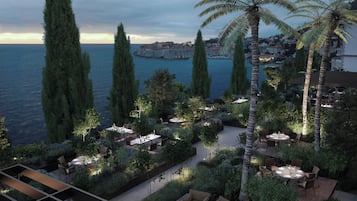
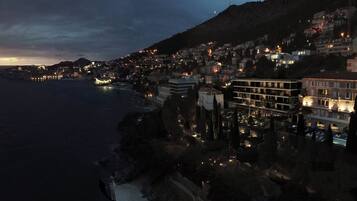
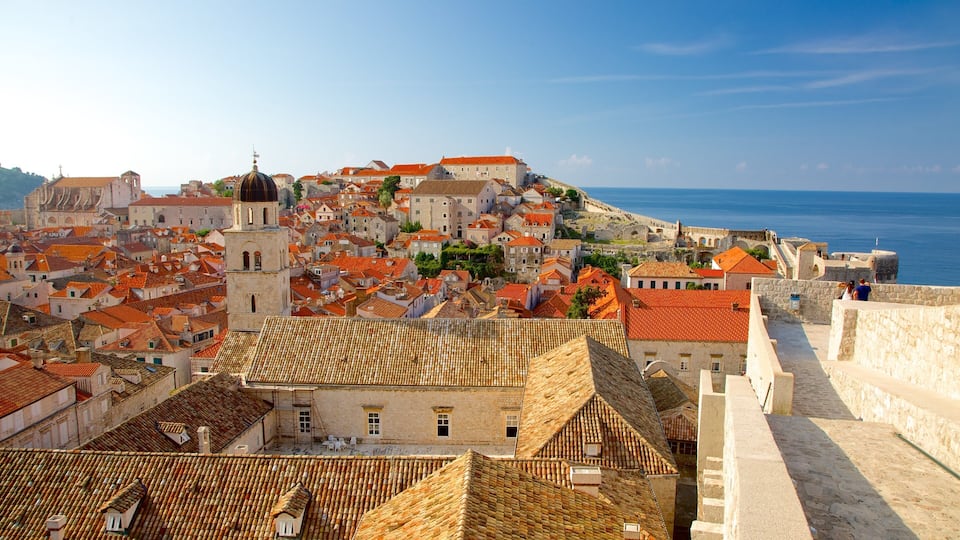
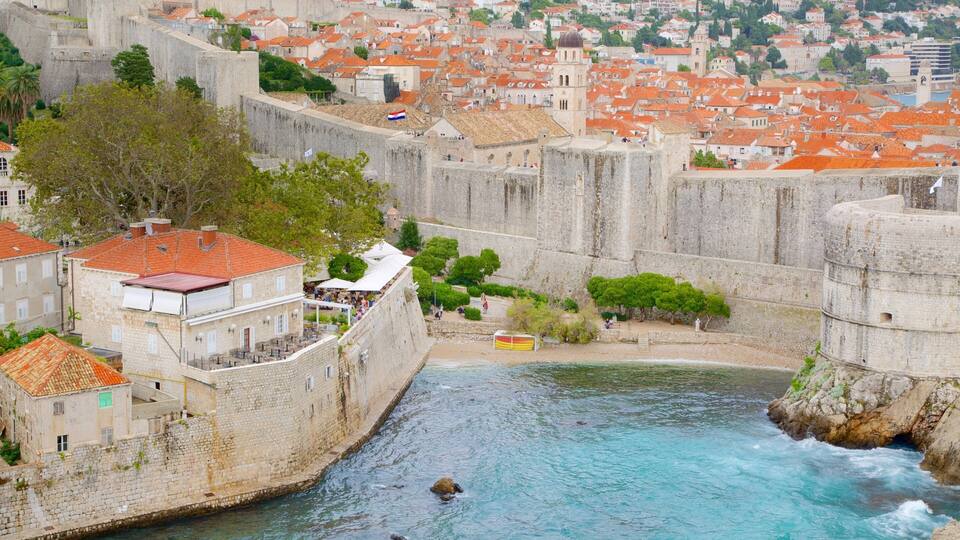
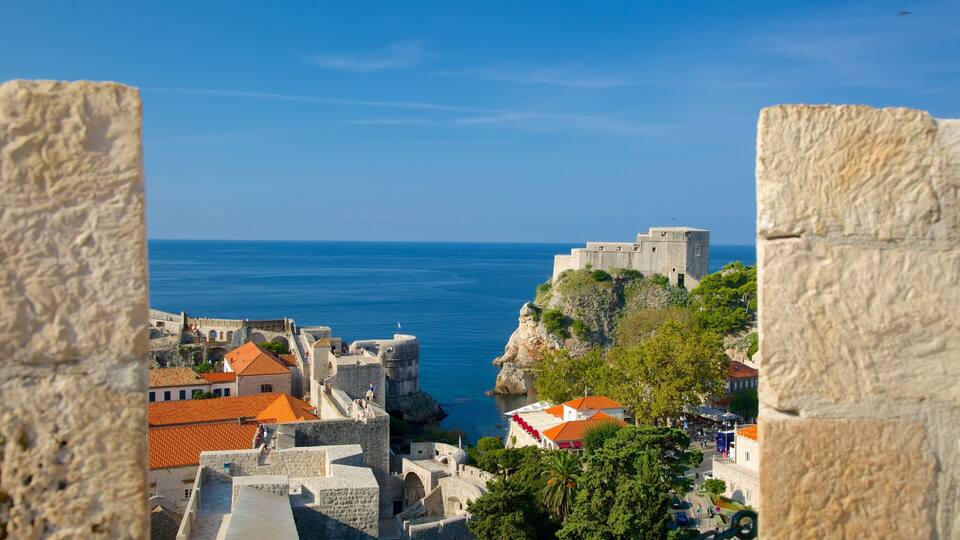
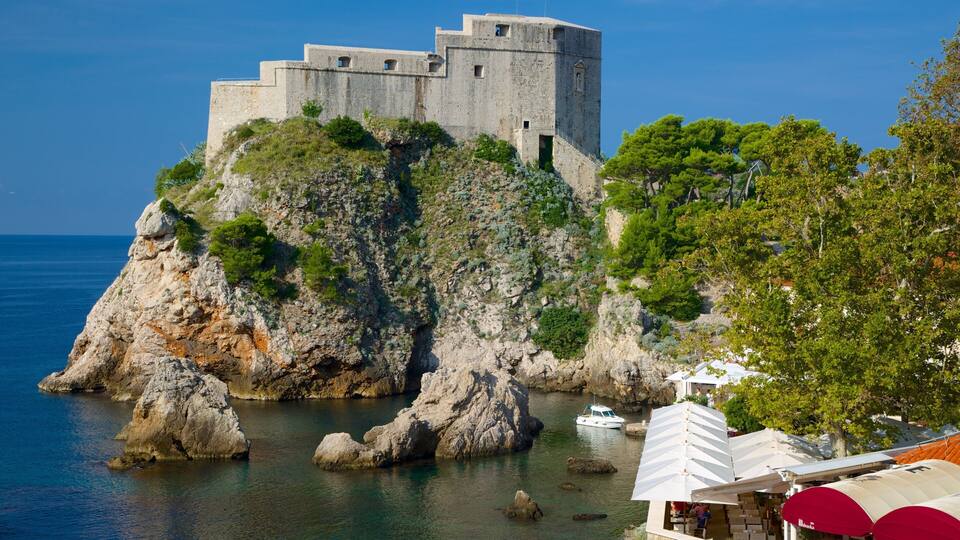
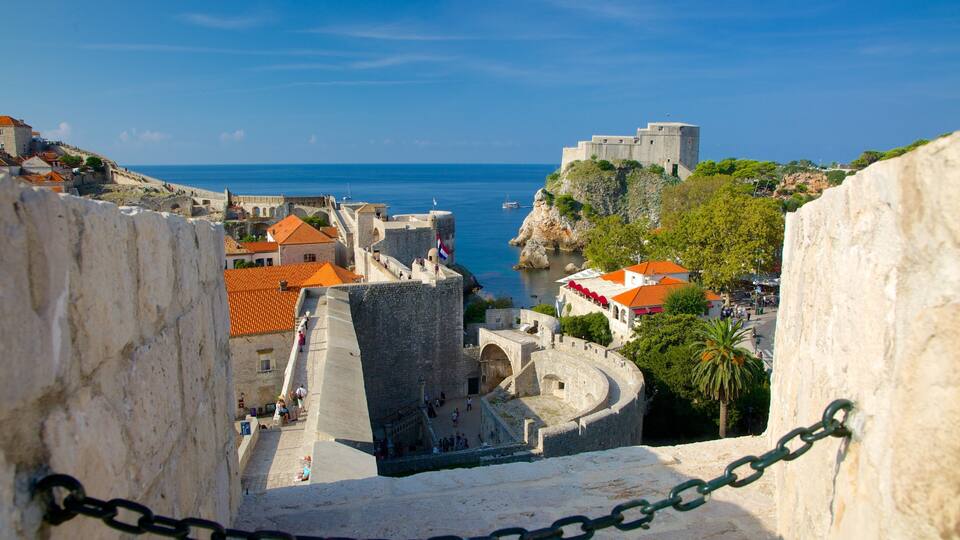
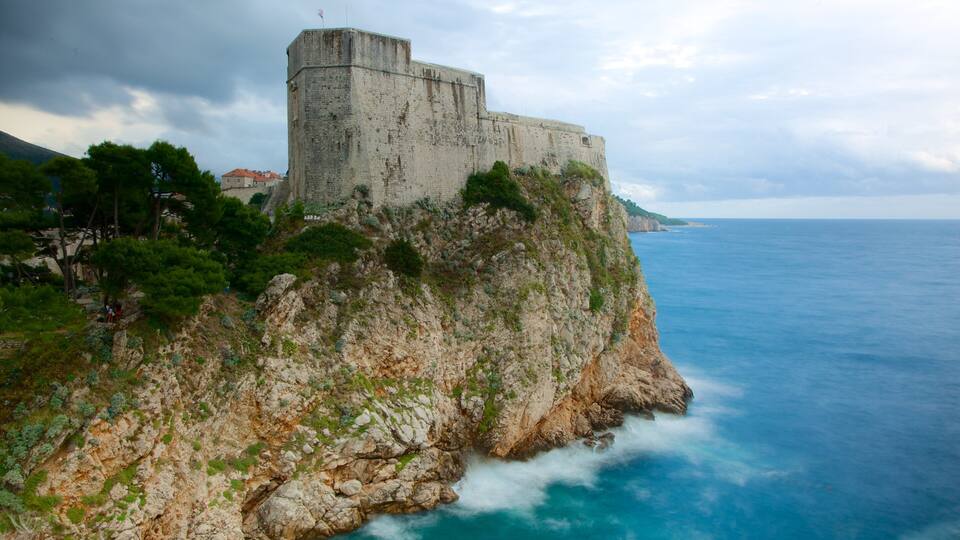
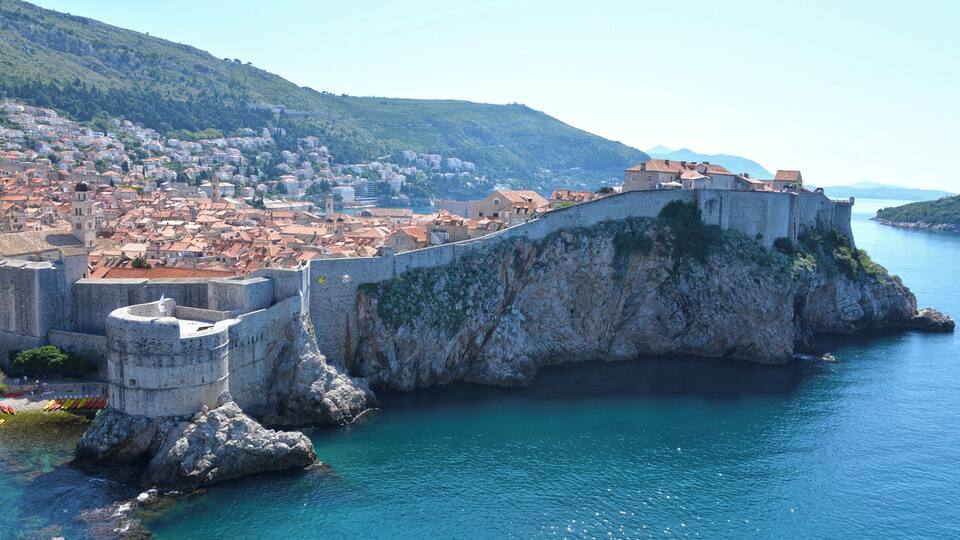
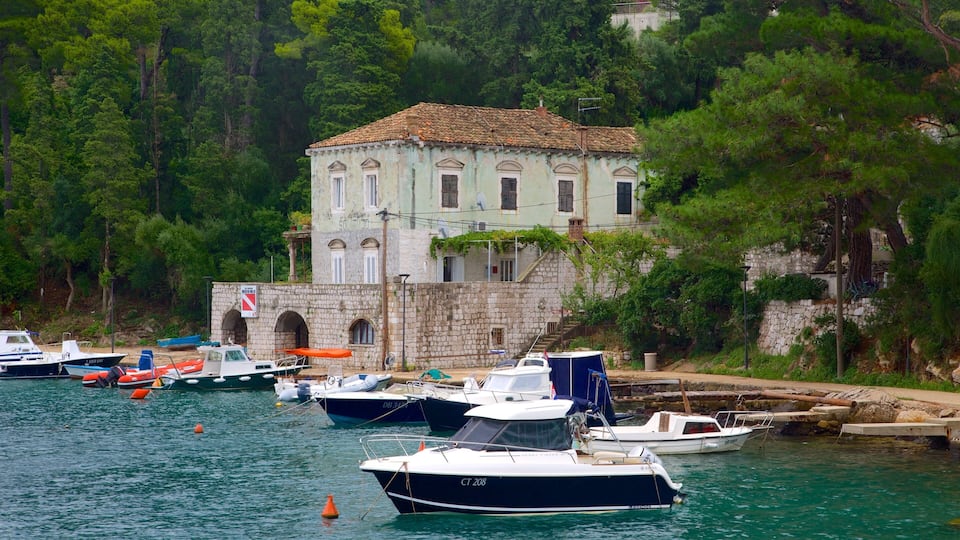
Perched above the Adriatic Sea on one of Dubrovnik’s most distinguished coastal slopes, surrounded by pine trees, cypresses and stone gardens, the villa has spent nearly a century contemplating the same view: the ancient walls of Dubrovnik, the island of Lokrum and the open sea stretching southward beyond it. Few things in the modern world have changed more slowly than this horizon.
Built in the 1930s, Villa Paulina belongs to an era when Mediterranean villas were designed for living rather than for display. Its proportions still carry the spirit of Adriatic Art Deco and Mediterranean modernism—an architecture concerned less with grandeur than with harmony. Every terrace, every window and every room seems oriented toward the movement of sunlight, the direction of the sea breeze and the rhythm of the landscape itself.
While many contemporary houses attempt to dominate their surroundings, Villa Paulina does the opposite.
It belongs to them.
In the early morning, Lokrum emerges from darkness almost imperceptibly. First come the outlines of pine trees, then the rocky shoreline, and only later the colours. At that hour the sea is rarely blue. It is silver, grey, sometimes almost white. Below, Dubrovnik slowly awakens while fishing boats leave delicate traces upon the water.
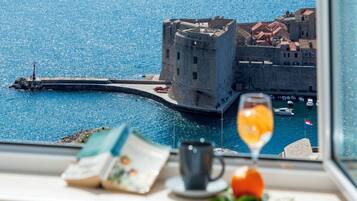
These are moments photographs seldom capture.
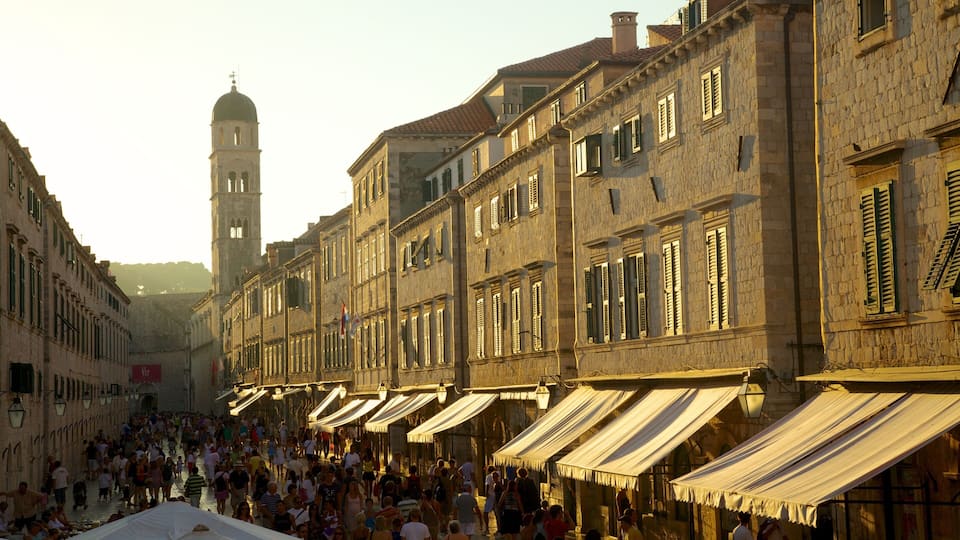
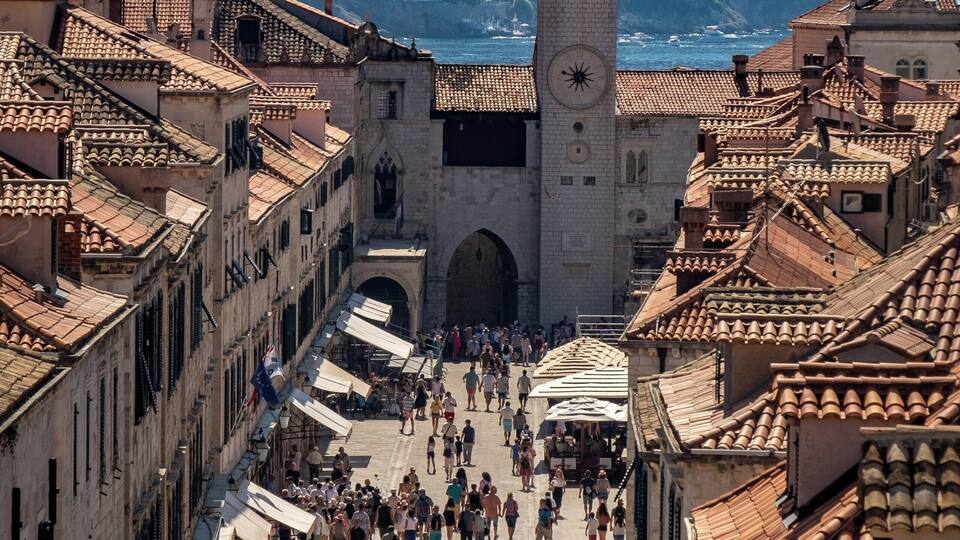
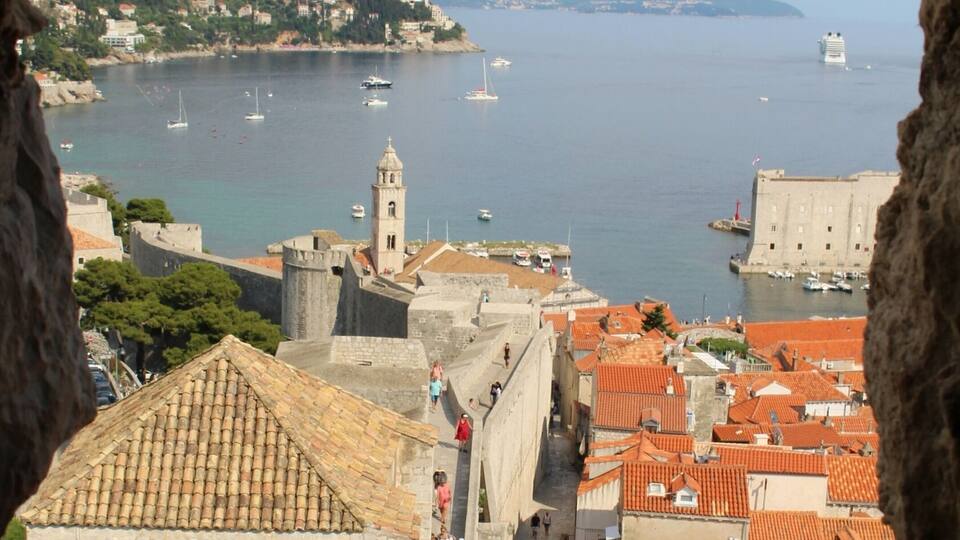
Over time, guests discover that their experience of Dubrovnik begins to change. They arrive with plans, itineraries and lists of places they wish to visit. They walk the city walls, explore islands, museums and hidden streets. Yet when they return home, they often speak about entirely different things.
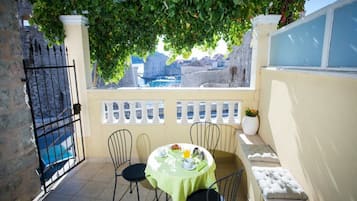
They remember a morning coffee on the terrace.
The first light entering a room before sunrise.
The sound of distant church bells mingling with the sea.
The Old Town glowing after sunset as if suspended between stone and water.
Perhaps this is the true character of Villa Paulina.
It does not change Dubrovnik.
It changes the way one sees it.
The house itself unfolds like a gradual ascent toward light.
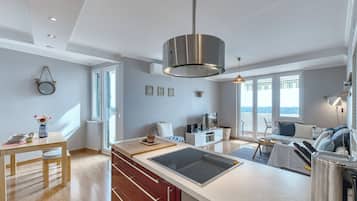
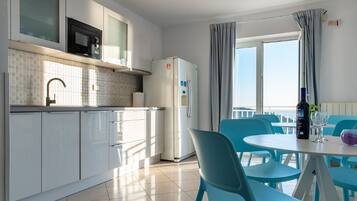
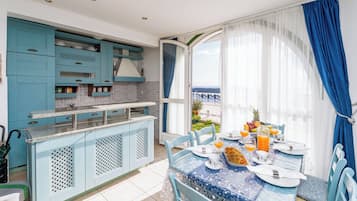
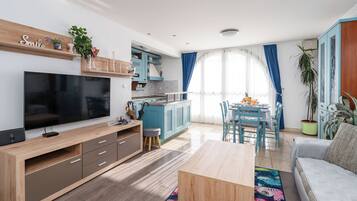
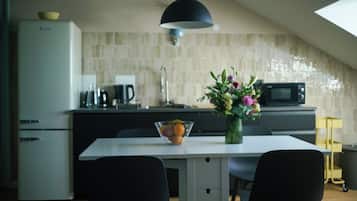
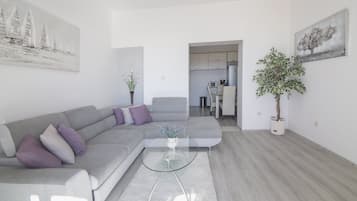
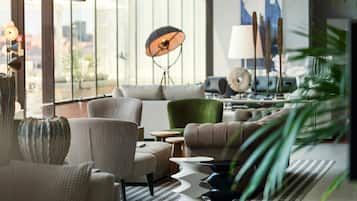
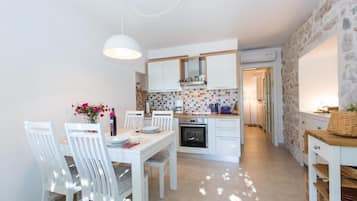
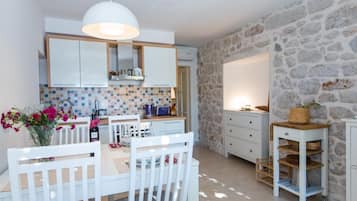
On the ground floor, life gathers. Here a professional kitchen invites long dinners and unhurried mornings, where the aroma of fresh coffee mixes with the scent of the sea drifting through open windows. The main living room is centred around a grand piano, its dark surface reflecting the changing light throughout the day. Sometimes it remains silent for days. Sometimes a single note lingers within the rooms long after it has been played.
Nearby, a smaller lounge offers a quieter retreat for reading, conversation or simply withdrawing from the demands of the outside world.
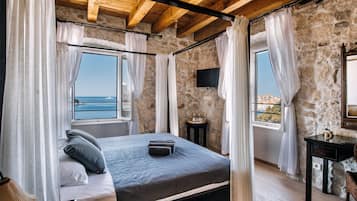
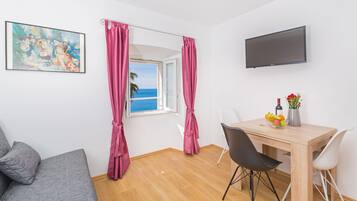
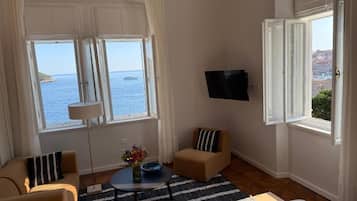
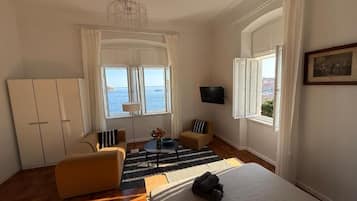
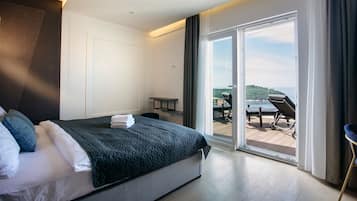
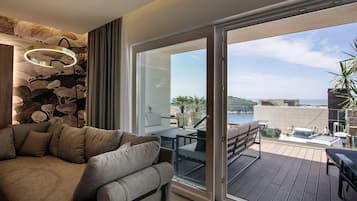
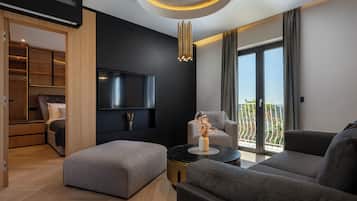
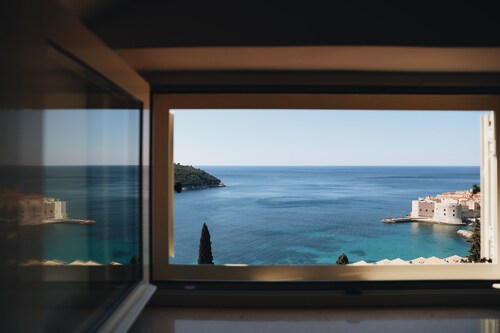
The first floor belongs entirely to the Grand Suite. Open toward Lokrum and the sea beyond, it seems as though the room was designed around the view itself. In the morning, sunlight rises behind the island. In the evening, the lights of Dubrovnik appear one by one below.
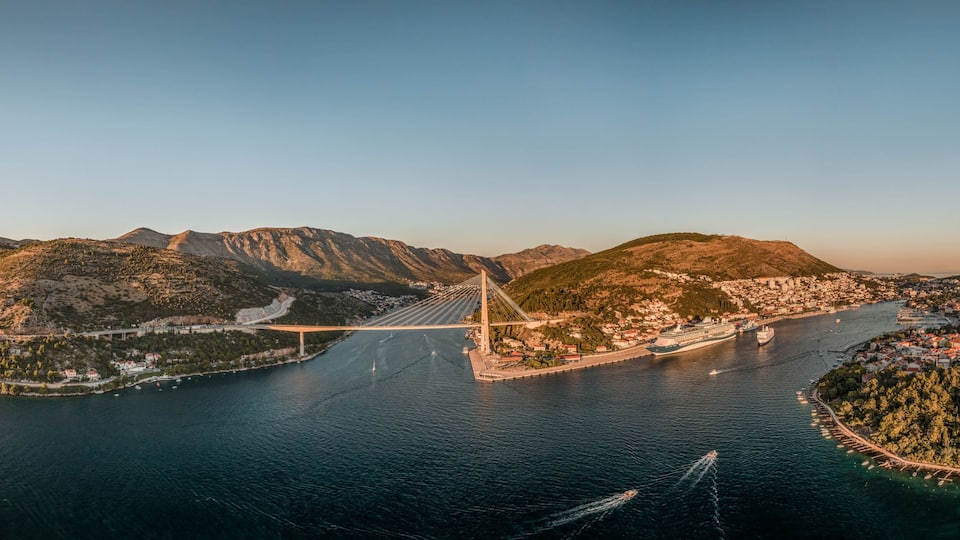
This is not a view to be admired.
It is a view to live with.
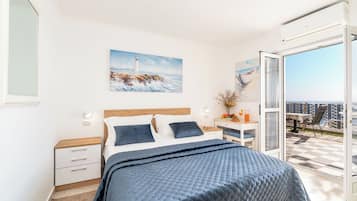
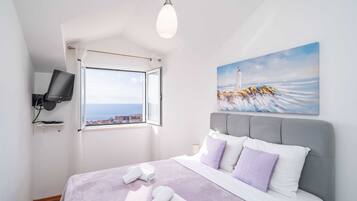
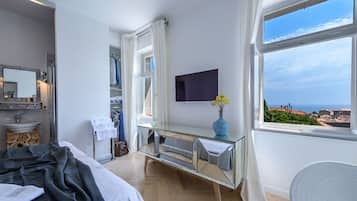
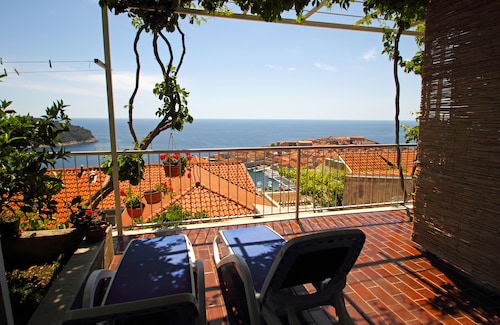
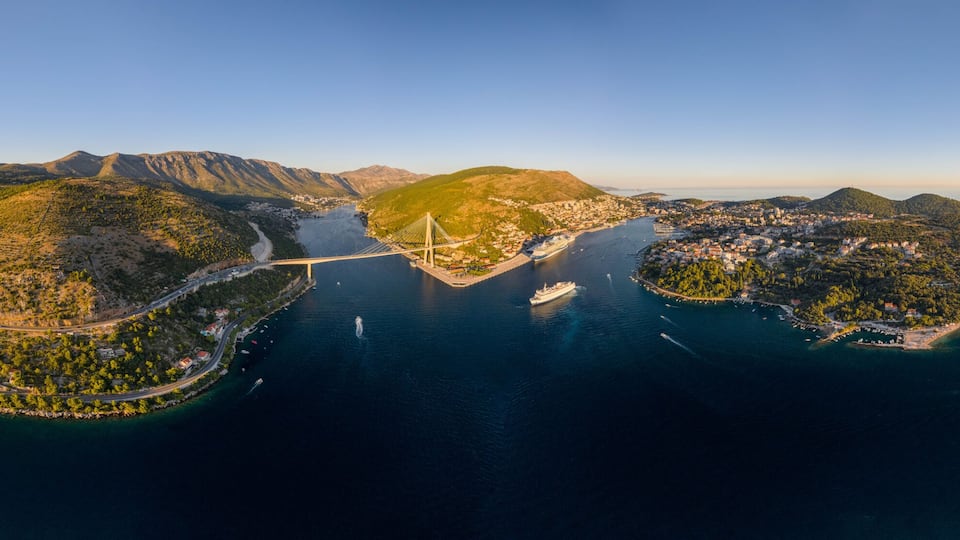
The second floor contains two further bedrooms, each with its own personality. One opens onto a balcony overlooking Lokrum, the Adriatic and the Old Town simultaneously. The other enjoys the same panorama from a quieter perspective. Throughout the day, the changing light transforms both spaces. What appears silver in the morning becomes golden by evening.
And then comes the attic.
The youngest and perhaps most unexpected room in the house.
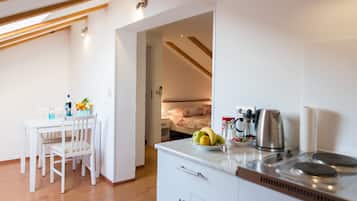
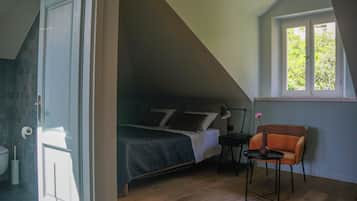
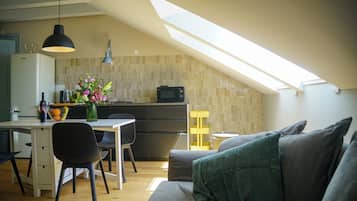
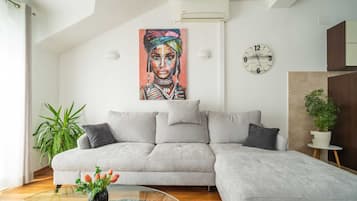
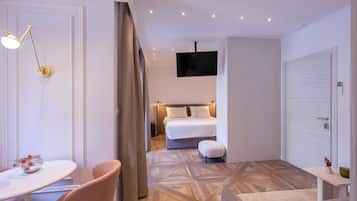
While the rest of the villa reflects the elegance of 1930s Mediterranean modernism, this space belongs to another imagination entirely. Its clean geometry, restrained lines and sense of openness create an atmosphere that feels almost timeless—looking gently toward the future while remaining anchored to the sea beyond its windows. Here, perhaps more than anywhere else, one becomes aware of the strange dialogue between permanence and change that defines Villa Paulina itself.
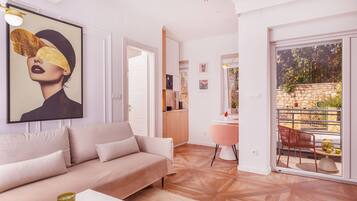
Inside the villa, contemporary Croatian art adds another layer to the experience.
Works by Petar Dolić and Nikolina Šimunović are not displayed as decoration. They participate in the life of the house.
Dolić’s sculptures possess the quiet presence of weathered stone shaped by time and sea. Their forms seem at once ancient and contemporary, as if they had emerged from the same landscape that surrounds Dubrovnik itself. They do not demand attention. They wait for it.
Nikolina Šimunović’s paintings introduce a different sensibility. Their layers of colour and atmosphere often appear to continue what the windows begin. At certain moments, it becomes difficult to tell whether the sea enters the paintings or the paintings return something of themselves to the sea.
Together they create a dialogue between art and landscape.
A conversation that unfolds throughout the day.
Outside, the villa opens once more toward the horizon.
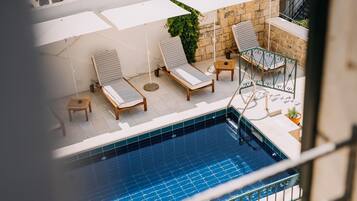
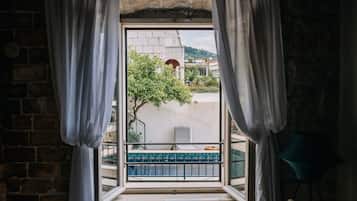
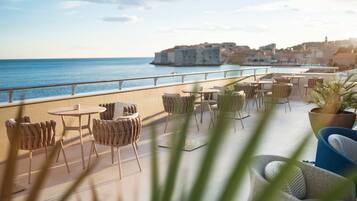
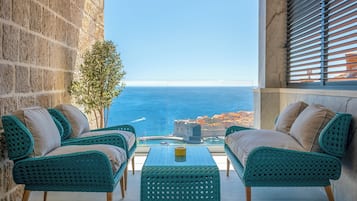
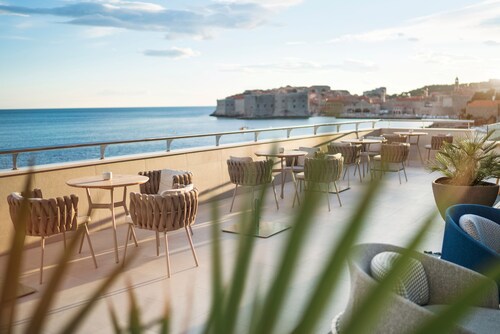
On the main terrace, the swimming pool seems almost to merge with the Adriatic beyond. At certain hours the distinction between the water of the pool and the water of the sea becomes difficult to perceive. One swims while looking toward Lokrum, and then beyond Lokrum, toward the open horizon itself.
It feels as though the pool does not end at the edge of the terrace but continues somewhere beyond the island.
A secondary terrace offers a more intimate atmosphere, centred around a hot tub overlooking the sea and the illuminated city below. Inside the villa, a private sauna provides another kind of refuge—a place of warmth and stillness after a day spent among the streets of Dubrovnik or on the water.
At midday, when the sun stands high above the Adriatic, the terraces become observatories suspended between sea and sky. Stone holds the warmth of the day. The scent of pine drifts through the gardens. In the distance, the Elaphiti Islands appear and disappear in changing light. Sometimes sailboats cross the horizon. Sometimes only clouds.
Afternoons arrive with a slower rhythm.
While Dubrovnik fills with movement, Villa Paulina seems to inhabit another measure of time. Reading a book, sharing a meal outdoors, enjoying a glass of wine or simply watching the sea become entirely sufficient occupations.
The Mediterranean has always understood something the modern world often forgets:
Its greatest luxury is not abundance.
It is time.
Time to observe.
Time to converse.
Time to remain silent.
Time to watch the sea.
As evening approaches, light once again becomes the protagonist of the house. The sun descends behind the city. The ancient walls take on the colour of old gold. Lokrum becomes a dark silhouette. The sea settles into stillness.
Then Dubrovnik begins to glow.
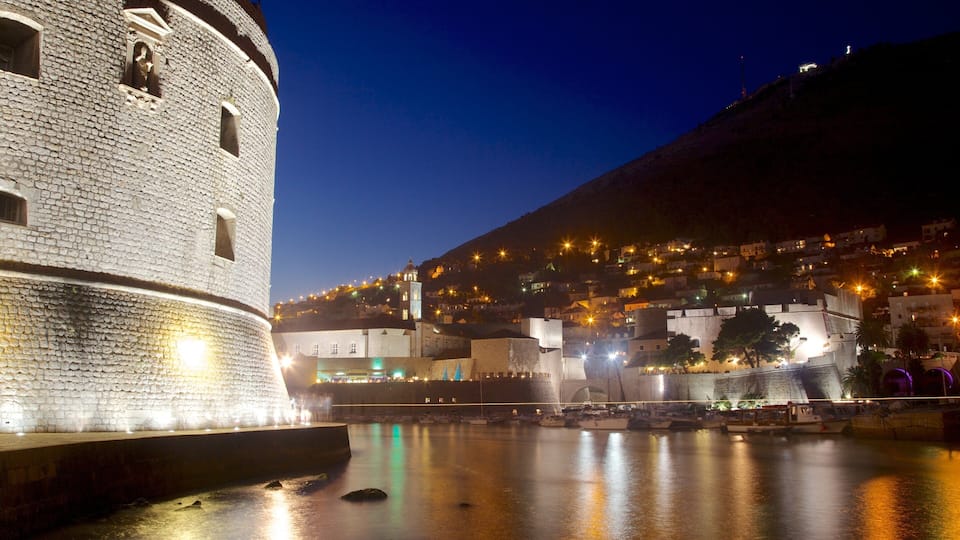
One by one, lights appear within stone houses, towers and fortifications. The city transforms into a constellation of its own history. From the terraces of Villa Paulina, the scene feels almost unreal, suspended somewhere between reality and memory.
And it is then that one understands.
Villa Paulina is not simply a place to stay.
It is a house for observing.
A house for slower rhythms.
A house for conversations that last longer than expected.
A house for books read beside open windows.
A house for mornings that begin with Lokrum and evenings that end with the lights of the Old Town.
It offers the increasingly rare possibility of experiencing Dubrovnik from within rather than merely visiting it.
Some places remain with us because of what we did there.
Others because of how they made us feel.
Villa Paulina belongs to the latter.
A house of light above the Adriatic.
A place one returns to, even after leaving.